
.webp)
Exploring the East of England
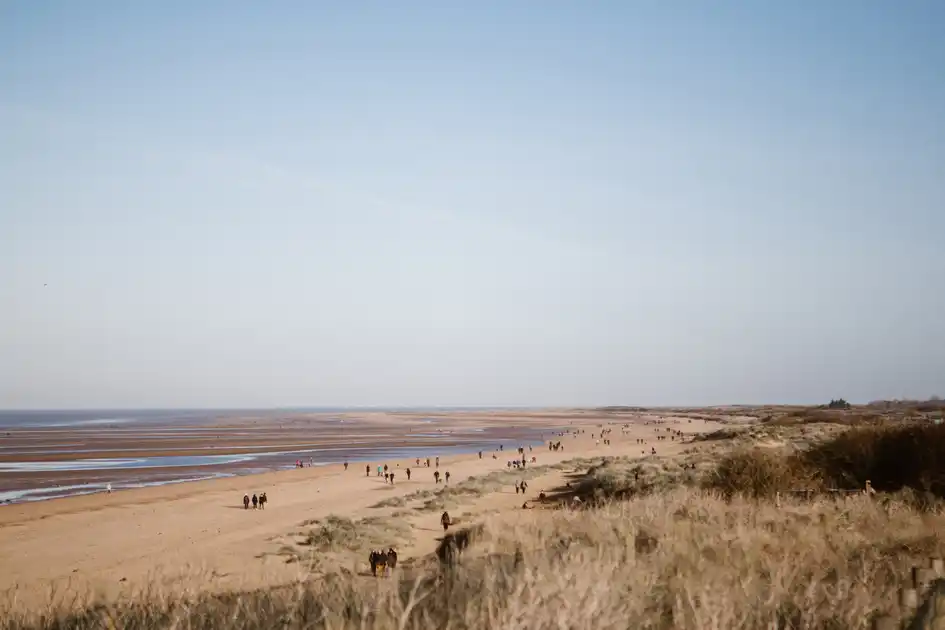
The East of England stretches across Norfolk, Suffolk, Essex, Cambridgeshire, Bedfordshire and Hertfordshire, bringing together some of eastern England's most varied landscapes. The Norfolk Coast, Suffolk Coast and Essex Coast meet the North Sea through beaches, dunes, saltmarshes and estuaries, while inland landscapes range from the wetlands of the Norfolk Broads and Suffolk Broads to the Fens, the Brecks, river valleys, chalk hills and wooded countryside.
Protected landscapes preserve some of the region's most distinctive environments. The Norfolk Coast National Landscape follows much of the north Norfolk coastline, while The Broads National Park protects an extensive network of rivers, shallow lakes, reedbeds and grazing marshes across Norfolk and Suffolk. Further south, the Suffolk & Essex Coast & Heaths National Landscape follows coast, estuaries and heathland across Suffolk and northern Essex, while Dedham Vale National Landscape protects the River Stour landscape along the Suffolk and Essex border. The Chilterns National Landscape reaches into Hertfordshire and Bedfordshire in the west of the region.
Long-distance trails connect many of these landscapes. The Norfolk Coast Path follows the coast from Old Hunstanton towards Hopton-on-Sea, while the Peddars Way crosses the Brecks and rural Norfolk to meet the coast near Holme-next-the-Sea. The Weavers' Way connects Cromer with Great Yarmouth through the Norfolk countryside and Broads, and the Suffolk Coast Path follows the Suffolk coastline between Felixstowe and Lowestoft.
Other established routes lead through the region's inland landscapes. The Stour Valley Path follows the Stour landscape from Newmarket towards Dedham Vale and Cattawade, while the St Edmund Way connects Manningtree with Bury St Edmunds, the Brecks and Brandon. Further west, the Icknield Way Path crosses the chalk landscapes and countryside of Hertfordshire, Bedfordshire and Cambridgeshire before continuing through Suffolk to Knettishall Heath.
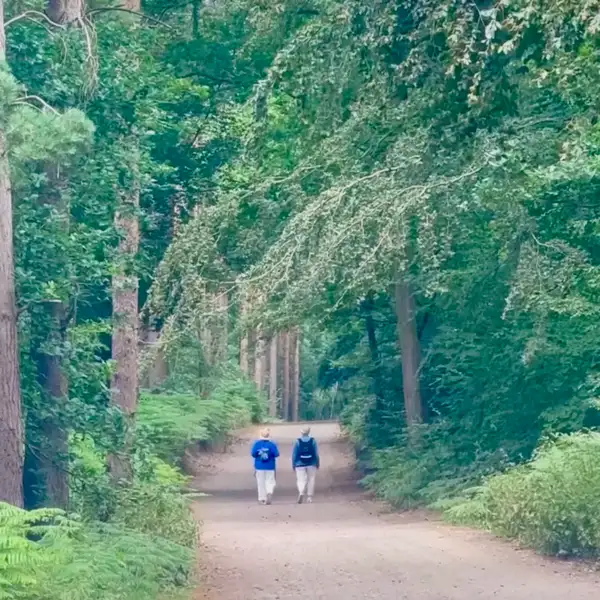
Historic towns, coastal settlements, villages, nature reserves and wild places provide opportunities to explore beyond the long-distance trails. From the beaches and reserves of the North Sea coast to the waterways of the Broads, the landscapes of the Stour Valley, the wetlands of the Fens and the chalk countryside further west, the region supports everything from shorter walks and walking breaks to multi-day journeys.
.webp)
.webp)
.webp)
.webp)