
Exploring the Suffolk Broads
The Suffolk Broads form the southern part of The Broads National Park, following the River Waveney and its surrounding network of waterways, grazing marshes, reedbeds, fens and wet woodland. Extending through north-east Suffolk around places including Beccles, Oulton Broad and the Waveney Valley, the landscape forms a distinctive wetland corridor along the Norfolk and Suffolk border.
The River Waveney is central to the landscape, winding through the southern Broads before connecting with Oulton Dyke and Oulton Broad further east. Footpaths and riverside routes provide ways to explore the valley on foot, passing through marshland, settlements and nature reserves while remaining closely connected to the waterways that shape the area.
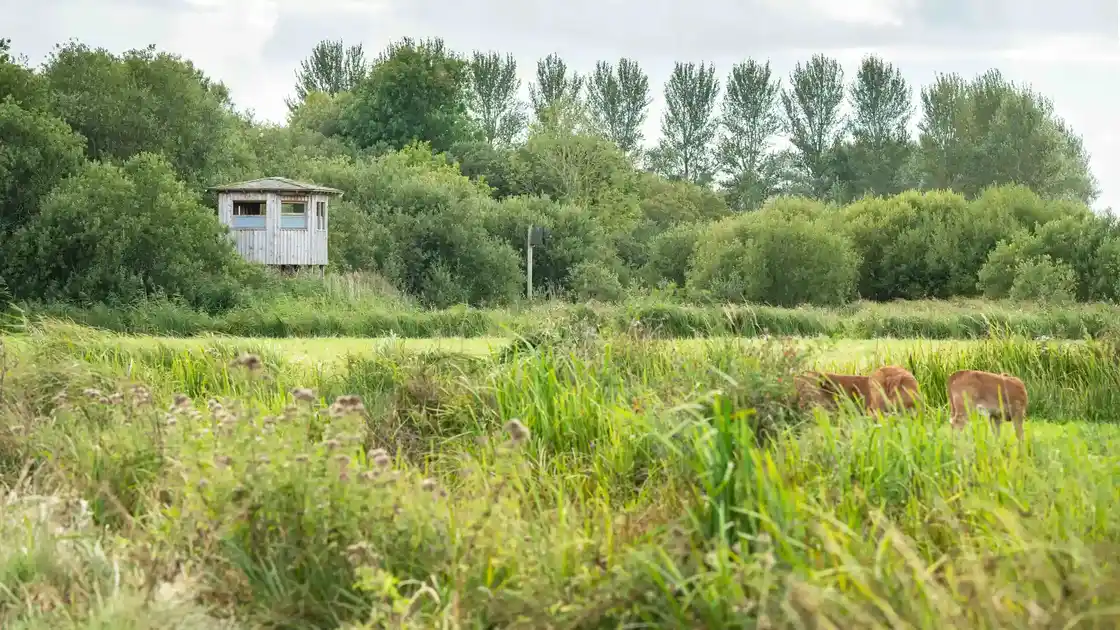
Carlton Marshes Nature Reserve, near Lowestoft, protects around 1,000 acres of floodplain marsh, lowland fen, reedbed, grazing marsh and wetland habitats within The Broads National Park. Walking trails cross the reserve and connect with the wider landscape around Oulton Broad and the River Waveney.
The Angles Way provides one of the principal long-distance walking connections through the Suffolk Broads, following parts of the Waveney Valley and connecting landscapes around Carlton Marshes, Worlingham Marshes and Beccles. Together with local footpaths and reserve trails, it provides a way to explore the wetlands and riverside landscapes of the southern Broads on foot.
Away from the longer routes, nature reserves, riverside paths and historic settlements provide opportunities for shorter walks and slower exploration. The landscapes between Beccles, Carlton Marshes and Oulton Broad bring together grazing marsh, fen, waterways and wet woodland, forming one of Suffolk's most distinctive wetland environments.
Check availability
Select your dates to check current availability and prices.