

Adventure Travel News – 5 December 2025
This week, Self Guided Travel continues to deepen its mapping of wild landscapes and places to stay along England’s east coast — from the Stour Estuary in Essex, through Suffolk’s wetlands and heaths, to the wide open shorelines of Norfolk. With new nature reserves added across all three counties and a growing network of high-quality trail stays now live on the platform, this stretch of coast is emerging as one of the most complete slow-travel regions in the country.
Wild Places Added Across Essex, Suffolk, and Norfolk
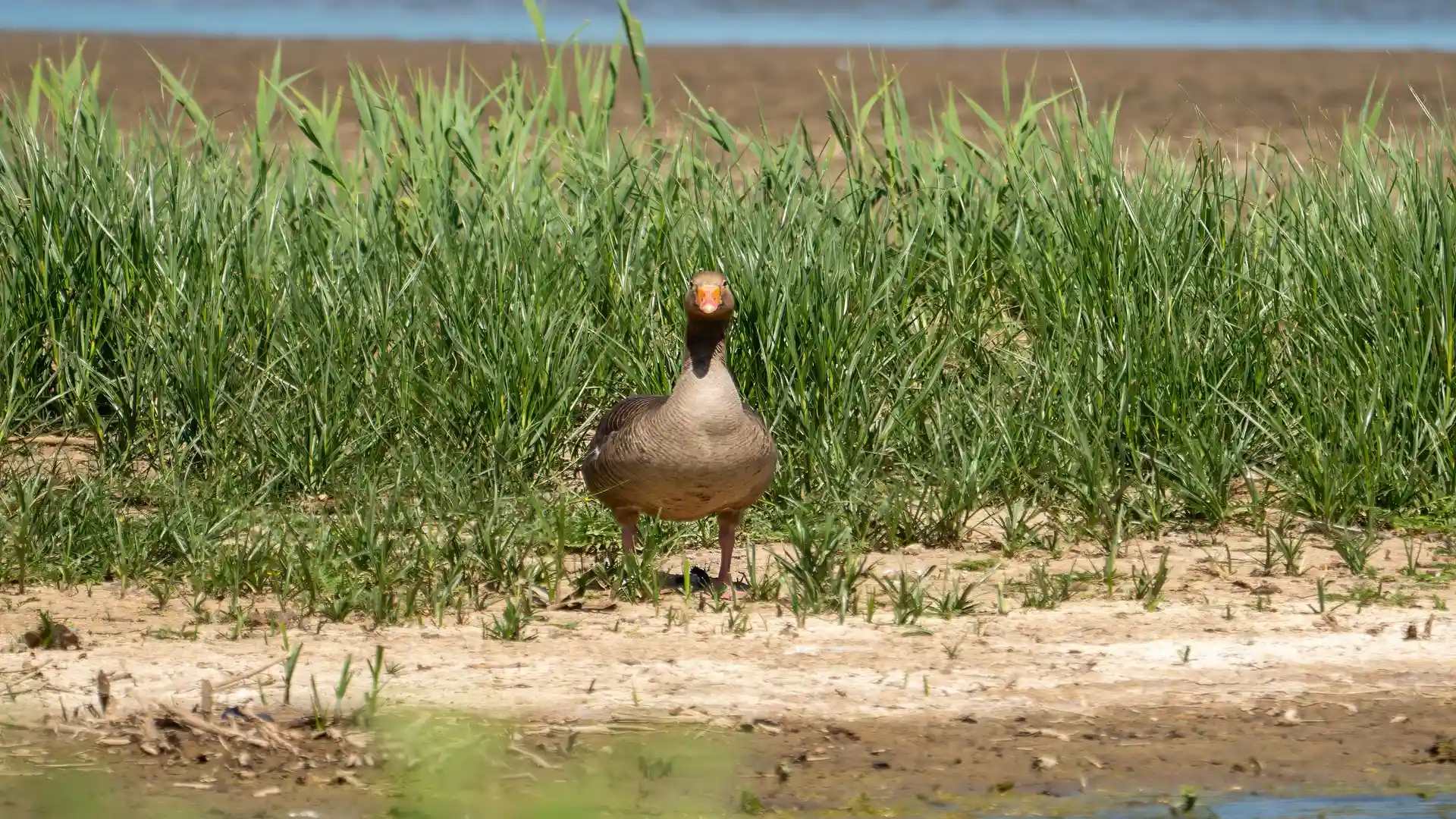
Nature Reserves & Wild Places have expanded significantly this week, with new protected landscapes now mapped across the Stour Estuary, Suffolk Coast, and Norfolk Coast. These additions bring some of the most wildlife-rich environments in eastern England directly into the walking and coastal trail network.
New reserves added include:
- Wrabness Nature Reserve (Essex Wildlife Trust) on the Stour Estuary
- RSPB Dingle Marshes between Dunwich and Walberswick
- RSPB Minsmere, one of Britain’s most important wetland reserves
- Knettishall Heath (Suffolk Wildlife Trust) on the Peddars Way
- Blakeney Point (National Trust) on the Norfolk Coast
- RSPB Titchwell Marsh
- Cley Marshes (Norfolk Wildlife Trust)
- Holme Dunes (Norfolk Wildlife Trust) at the meeting point of the Peddars Way and Norfolk Coast Path
Each of these places is now indexed as a discoverable wild landscape, directly linked to the trails and villages that pass through them — from the Stour & Orwell Walk to the Suffolk Coast Path, Peddars Way, and Norfolk Coast Path.
Why it matters
For visitors, this creates something rare: the ability to move seamlessly between long-distance trails, coastal paths, and internationally important wildlife reserves without breaking the rhythm of a journey. Walkers are not just passing through scenery — they are travelling through living, protected ecosystems shaped by migration, tide, and season.
Why These Wild Places Make This Coast So Special to Visit
From the mudflats of the Stour Estuary to the shingle spits of Blakeney Point and the reedbeds of Minsmere and Titchwell, this coast offers an extraordinary variety of landscapes within a relatively small geographic corridor. For walkers and slow travellers, that diversity is one of the region’s greatest strengths.
Here, a single multi-day walk can take in:
- Tidal estuaries and wide saltmarsh
- Freshwater lagoons and reedbeds
- Open heath, chalk valleys, and dunes
- Shingle beaches, grazing marsh, and coastal creeks
These are not landscapes set apart from travel — they are the fabric of the journey. Trails rarely skirt these reserves; instead, they lead directly through them, allowing visitors to experience wildlife, light, weather, and changing seasons at walking pace.
Why it matters
This is slow travel at its best: low-impact, deeply immersive, and shaped by nature itself. For visitors, it transforms a simple walking holiday into a layered experience of place — where landscape, wildlife, and movement are inseparable.
Places to Stay Continue to Grow Along the Trails
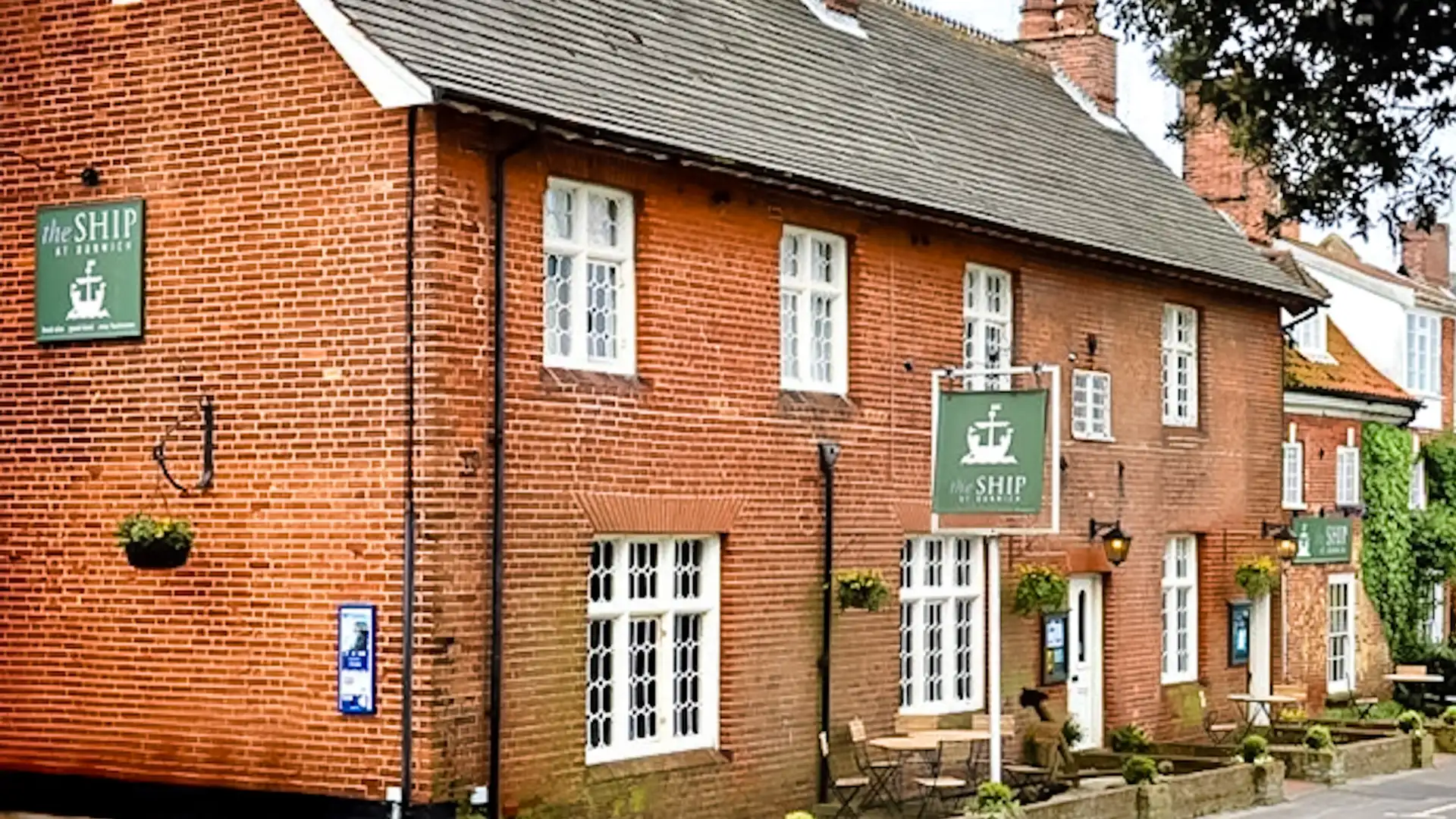
Alongside the growth of wild places, the network of independent trail stays across Essex, Suffolk, and Norfolk continues to expand — giving walkers, cyclists, and slow travellers comfortable, character-rich bases directly linked to the routes they’re exploring.
New and growing stays now include:
- The Ship at Dunwich — on the Suffolk Coast Path, with sea views and direct trail access
- The Gin Trap Inn, Ringstead — close to both the Peddars Way and Norfolk Coast Path
- The Dabbling Duck, Great Massingham — a popular base on the Peddars Way
- The Olde Windmill Inn, Great Cressingham — a peaceful rural stop near the trail
- The Crown Inn, Stoke-by-Nayland — in the heart of the Dedham Vale National Landscape on the Stour Valley Path
Together, these stays form the essential human infrastructure of long-distance travel: places to rest, eat well, dry boots, and reset before continuing along the coast or inland valleys.
Why it matters
Wild places make journeys meaningful — but it is high-quality, locally rooted accommodation that makes them possible and enjoyable over multiple days. This combination of protected landscapes and welcoming, independent inns is what turns eastern England’s trails into true walking and cycling destinations rather than isolated routes.
A Coast Built for Long-Distance, Low-Impact Travel
What’s emerging across Essex, Suffolk, and Norfolk is not just a set of individual highlights, but a coherent slow-travel corridor: one where estuaries, wetlands, dunes, river valleys, villages, and inns are woven together by footpaths, cycle routes, and coastal trails.
Visitors can now:
- Walk from the Stour Estuary at Wrabness through Dedham Vale and into Suffolk
- Follow the Suffolk Coast Path past Dunwich, Minsmere, and Walberswick
- Join the Peddars Way and continue onto the Norfolk Coast Path
- Move between reserves, villages, and landscapes without relying on a car
It’s a form of travel shaped by continuity rather than speed — and one that reflects a growing desire for journeys that connect people more closely to land, wildlife, and local culture.
Why it matters
This coast shows how National Landscapes, nature reserves, trails, and independent hospitality can work together to form a complete visitor experience — one that supports conservation, local economies, and meaningful exploration all at once.
Looking Ahead
Over the coming months, Nature Reserves & Wild Places will continue to expand across:
- The Suffolk Coast & Heaths
- The wider Norfolk Coast
- River valleys, estuaries, and inland heathlands linked to National Trails
At the same time, the Local Stays network will continue to grow — strengthening the backbone that allows people to explore these landscapes slowly, confidently, and independently.
Together, these layers are shaping the east coast of England into one of the most wildlife-rich, trail-connected, and welcoming slow-travel regions in the country.