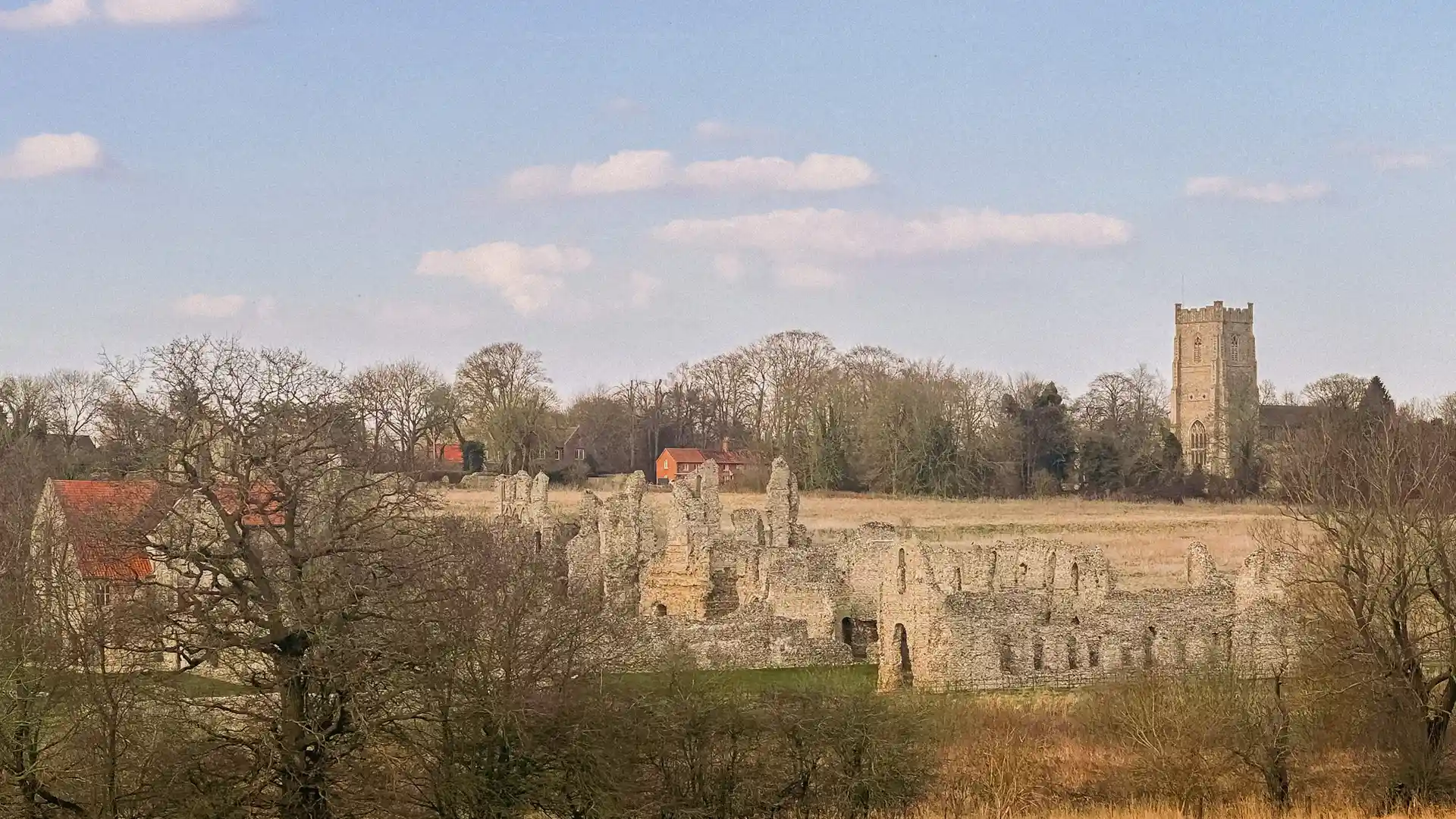
Castle Acre Priory ruins with surrounding fields, stone buildings, and the village church tower in the distance — a key landmark along the Peddars Way in Norfolk.

Peddars Way – First Long-Distance Walk Through Norfolk

Type of trail?
National Trail
Is it for me?
Easy-going long-distance walk
Gentle terrain with minimal ascent, well suited to first-time long-distance walkers or those looking for a calm, steady route.
What will I see?
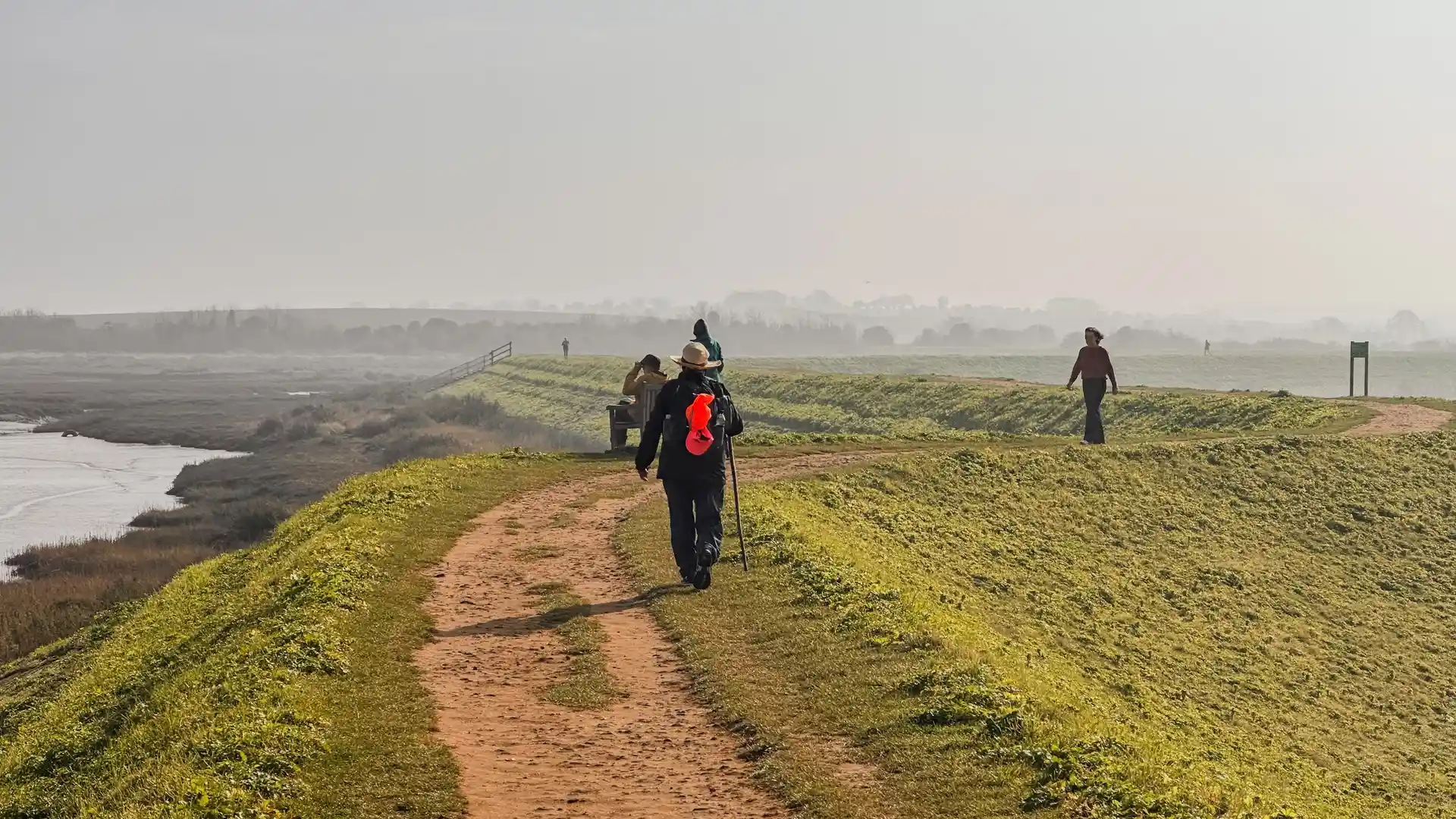
Rolling heathland
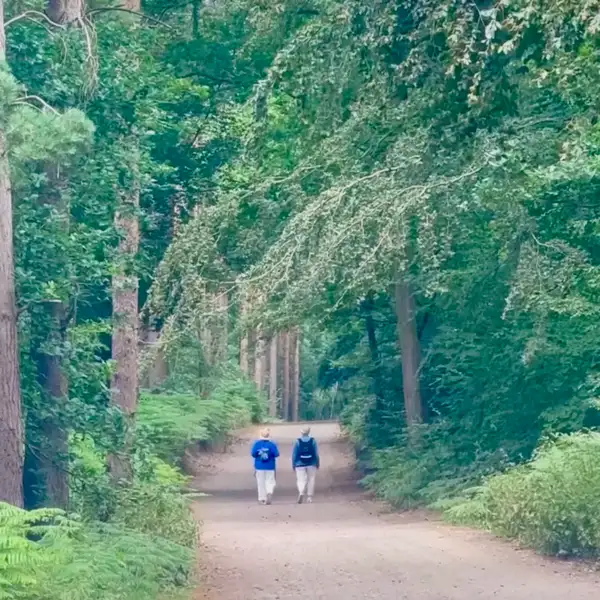
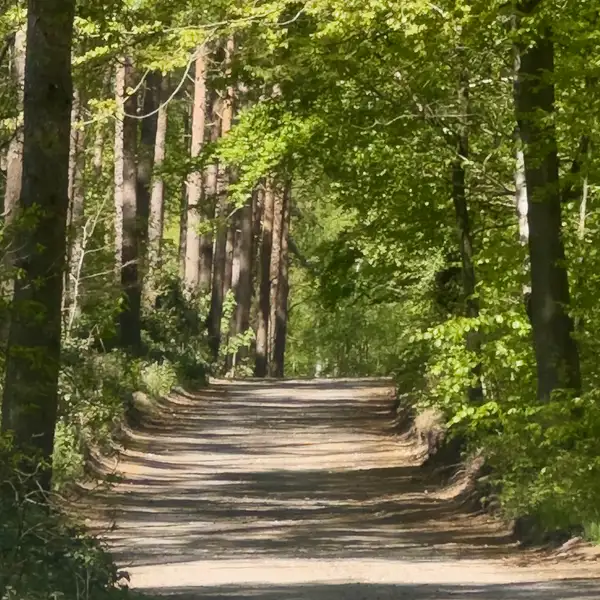
Pine forests
Open farmland
Quiet villages and historic churches
Castle Acre Priory
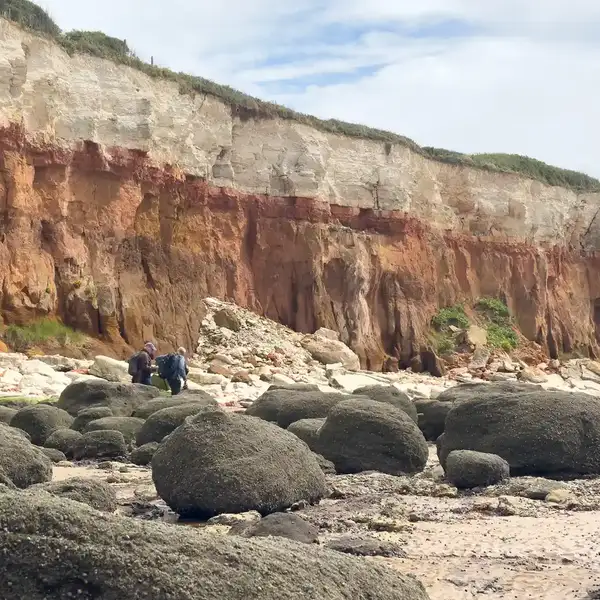
Wide skies and coastal dunes
What’s the vibe?
Peaceful and unrushed
Historic and atmospheric
Understated rural England

An ancient Roman route through Norfolk, shaped by quiet countryside and open skies

The Peddars Way follows the remarkably straight line of a Roman road laid nearly two thousand years ago, crossing the quiet interior of East Anglia from the sandy heathland of Suffolk to the North Sea coast in Norfolk. At just under fifty miles, it offers a gentle introduction to long-distance walking, shaped by lowland landscapes, open skies, and a steady, unhurried rhythm.

Walking the Peddars Way is less about challenge and more about continuity. The terrain is forgiving, the route clear, and the landscape unfolds gradually rather than dramatically. Heathland paths give way to pine forests, open farmland, and wide village greens, creating a sense of calm progression rather than constant variation. It is a trail that encourages attention to small details — light across fields, the texture of the track underfoot, the long perspective of the Roman road stretching ahead.

Villages along the route feel naturally spaced, offering pauses rather than destinations. Places like Great Cressingham, Castle Acre, and Great Massingham sit slightly aside from the modern world, shaped by agriculture, history, and local life rather than tourism. These settlements provide quiet places to stop, rest, and reflect, reinforcing the trail’s unforced, human scale.

As the route approaches the coast, the landscape opens further. The air changes, the horizon widens, and the sense of inland enclosure gives way to saltmarsh, dunes, and the distant sound of the sea. At Holme-next-the-Sea, the Peddars Way meets the Norfolk Coast Path — a natural conclusion, or an invitation to continue walking along the edge of land and water.

For many walkers, the appeal of the Peddars Way lies in its simplicity. It is a route that allows time to adjust to the idea of multi-day walking, to find a rhythm, and to understand how landscapes connect when experienced slowly, on foot.

Trail Overview

Distance
Approximately 46 miles / 74 km

Typical time on foot
3–5 days

Start
Knettishall Heath, Suffolk

Finish
Holme-next-the-Sea, Norfolk

Terrain
Heathland paths, forest tracks, farmland, and quiet village lanes

Map of East Anglia showing the Peddars Way route and key places along the trail.

Frequently Asked Questions

Where is the Peddars Way?

The Peddars Way runs through Suffolk and Norfolk in the East of England, following the line of an ancient Roman road from inland heathland to the North Sea coast.

Where does the Peddars Way start and finish?

The trail starts at Knettishall Heath, near Thetford, and finishes at Holme-next-the-Sea, where it connects directly with the Norfolk Coast Path.

How long does it take to walk?

Most people walk the Peddars Way in three to four days. Some choose to take five days to allow for a slower pace or longer stops in villages along the route.

What is the walking like?

Walking is generally easy and low-lying, with well-maintained paths, forest tracks, and quiet lanes. The trail is clearly waymarked and is considered one of the most approachable long-distance walks in England.

Who is the Peddars Way suitable for?

The Peddars Way suits first-time long-distance walkers, solo travellers and couples, and anyone looking for a calm, gently paced route. Its straightforward terrain and quiet character also appeal to experienced walkers seeking a more relaxed, less crowded trail.