
Exploring Essex
Essex stretches from the estuaries, saltmarshes and coastal landscapes of the North Sea to the river valleys, farmland, woodland and historic settlements of the countryside inland. Its long coastline is shaped by tidal rivers and estuaries including the Stour, Colne, Blackwater and Crouch, while the north of the county meets the River Stour and the landscapes of the Suffolk border.
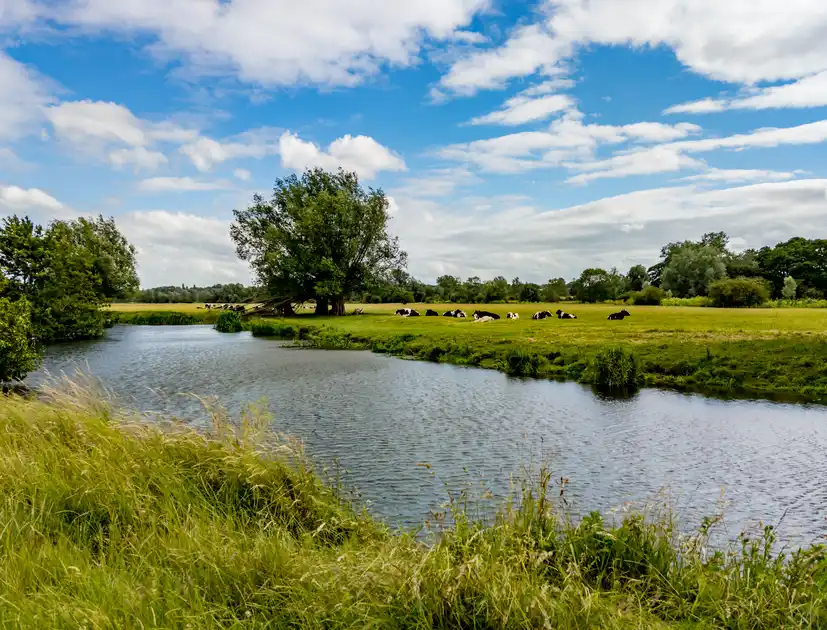
The Suffolk & Essex Coast & Heaths National Landscape extends into north-east Essex along the Stour estuary, protecting a landscape of estuary, saltmarsh, grazing marsh, woodland and countryside shared with neighbouring Suffolk. Further inland, Dedham Vale National Landscape follows the River Stour along the Suffolk and Essex border through water meadows, farmland, woodland and historic villages.
The Stour Valley provides one of the strongest connections between Essex and the wider long-distance walking network of the East of England. The Stour Valley Path approaches Essex through the Stour Valley before passing through Dedham Vale and finishing at Cattawade, close to Manningtree, where the River Stour opens into its estuary.
St Edmund Way begins at Manningtree and follows the Stour Valley west through Dedham Vale before continuing into Suffolk towards Sudbury, Long Melford, Lavenham and Bury St Edmunds. Together, these routes connect the Essex-Suffolk border with a wider network of trails extending through Suffolk and towards the Brecks.
Away from the long-distance trails, Essex's estuaries, coastal communities, nature reserves, market towns and historic villages provide opportunities for shorter walks and slower exploration. The tidal landscapes of the Blackwater and Colne contrast with the wooded countryside and river landscapes inland, while places around Dedham Vale provide access to some of the county's best-known walking country.
Check availability
Select your dates to check current availability and prices.