

Walking Peddars Way
We arrived in Norfolk to walk one of England's oldest long-distance trails.
The Peddars Way follows the line of a Roman road for approximately 46 miles, linking Knettishall Heath on the Suffolk border with Holme-next-the-Sea on the Norfolk coast. Along the way, the route passes through heathland, woodland, farmland, historic villages, and some of the county's most distinctive rural landscapes.
The trail begins at Knettishall Heath National Nature Reserve, where sandy paths weave through open heath and woodland. From the start, the walking feels straightforward. The route is well defined, the terrain generally gentle, and there is a strong sense of progression as the old Roman road heads north across the Brecks and into Norfolk.
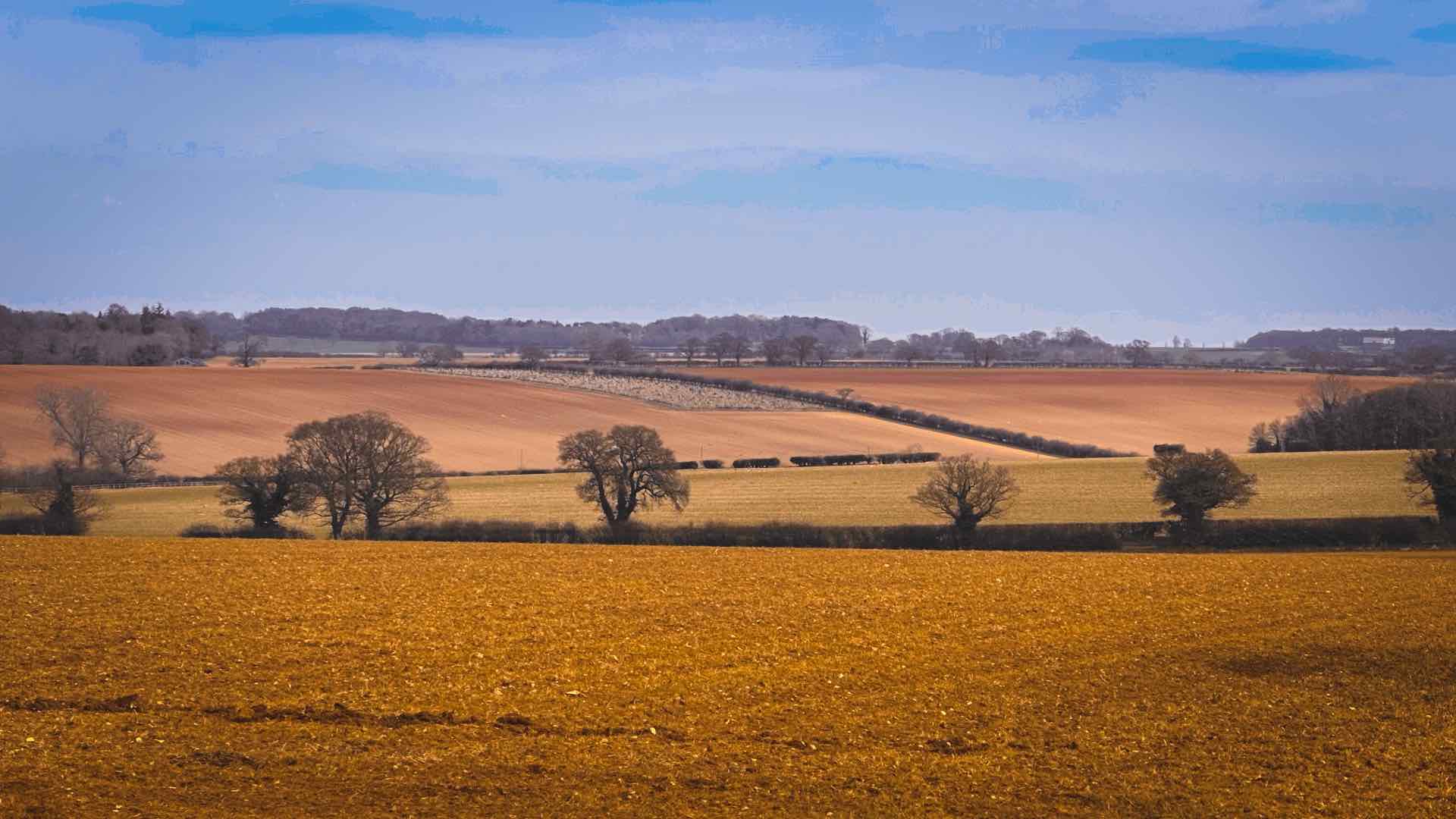
One of the things that stood out most during the journey was how varied the landscape became. Although the route follows an ancient road for much of its length, the surroundings continually change. Open heathland gives way to woodland, woodland gives way to farmland, and villages appear at regular intervals between longer stretches of countryside.
Castle Acre was one of the highlights. The village sits directly on the route and provides an opportunity to explore the remains of a Norman castle and a Cluniac priory. The historic buildings and traditional character of the village feel well suited to a trail that has been connecting places for centuries.
Further north, the landscape gradually begins to change once again. The countryside becomes more open, the skies seem larger, and subtle signs of the coast begin to appear. After days of inland walking, arriving at Holme-next-the-Sea feels like a genuine destination rather than simply the end of a route.
Here, the Peddars Way meets the Norfolk Coast Path among dunes, saltmarsh, and the wide horizons of The Wash. The contrast between the inland landscapes of the Brecks and the open coast is one of the route's most memorable features.
Looking back, what makes the Peddars Way rewarding is not any single landmark or viewpoint. It is the journey itself. The route reveals Norfolk gradually, linking landscapes, villages, history, and communities through a path that has shaped movement across this part of England for nearly two thousand years.
By the time the sea finally comes into view, it feels earned.