
Exploring the Midlands
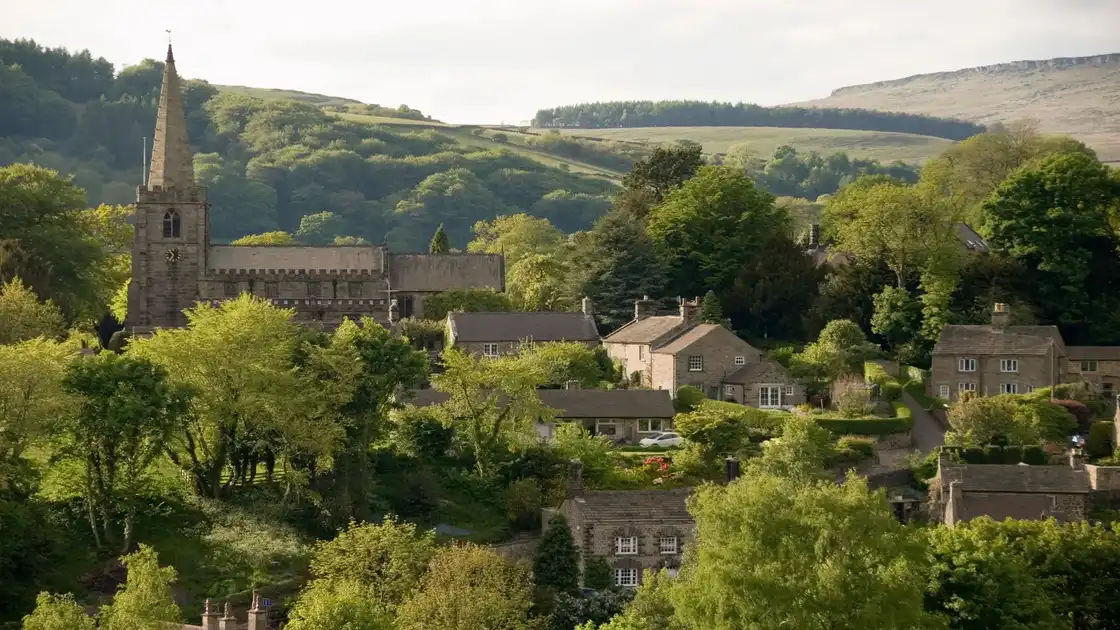
The Midlands brings together the counties of Derbyshire, Nottinghamshire, Lincolnshire, Leicestershire, Rutland, Northamptonshire, Warwickshire, Worcestershire, Herefordshire, Shropshire, Staffordshire and the West Midlands, with landscapes ranging from the limestone hills and moorlands of the Peak District to the rolling countryside of Warwickshire, the river valleys of Herefordshire and the agricultural landscapes of Lincolnshire. Historic market towns, villages, waterways and former industrial landscapes reflect the region's varied geography and its position at the heart of England.
Protected landscapes preserve some of the region's most distinctive environments. The Peak District National Park extends across Derbyshire, Staffordshire and neighbouring counties, encompassing limestone dales, gritstone edges, open moorland and wooded valleys. The Cannock Chase National Landscape protects heathland, woodland and open countryside in Staffordshire, while the Lincolnshire Wolds National Landscape covers rolling chalk hills, valleys and farmland in eastern Lincolnshire. Further west, the Malvern Hills National Landscape follows the prominent ridge overlooking Worcestershire and Herefordshire, while the Shropshire Hills National Landscape protects upland landscapes, wooded valleys and historic settlements along the Welsh border.
Long-distance trails connect many of these landscapes. The Pennine Way begins at Edale in the Peak District before heading north through the Pennines, while the Heart of England Way crosses countryside, woodland and historic settlements between the Cotswolds and Staffordshire. The Staffordshire Way follows rural landscapes through the county, connecting the countryside around the Staffordshire Moorlands with Cannock Chase and the southern part of the county. The Limestone Way crosses the limestone countryside of the Peak District and Derbyshire, passing villages, valleys and historic landscapes.
Other established routes explore the region's rivers, canals and countryside. The Tissington Trail follows a former railway through the Derbyshire countryside, while the Severn Way follows the River Severn through Shropshire and Worcestershire, connecting riverside towns, countryside and historic settlements. Canal towpaths, former railway lines and local footpaths provide further opportunities for shorter walks across the region. In Derbyshire, the Derwent Valley Mills UNESCO World Heritage Site preserves an important landscape of historic mills, industrial settlements and waterways along the River Derwent, with riverside paths and local walking routes connecting places across the valley.
Beyond the long-distance trails, the Midlands offers opportunities to explore historic towns, villages, nature reserves, woodlands and wild places on foot. From the limestone dales and gritstone edges of the Peak District to the Shropshire Hills, Malvern Hills, Cannock Chase and Lincolnshire Wolds, the region provides a varied setting for shorter walks, walking breaks and multi-day journeys, with places to stay across its market towns, villages and countryside.