


Woodland paths, wildlife and countryside around Lavenham
Lavenham Woodland and Circular Walk offers an opportunity to discover the countryside surrounding Lavenham, one of the best-preserved medieval villages in Suffolk. Beginning at Lavenham Guildhall on Market Place, this 2.8-mile circular route leads away from the village's timber-framed streets into woodland, open wildlife habitats and sections of a former railway line, before returning past the magnificent St Peter and St Paul's Church.
The walk provides a gentle introduction to the rural landscape beyond Lavenham's historic centre. Although the village is best known for its medieval architecture and wool-trading heritage, the surrounding countryside offers a quieter landscape of established trees, hedgerows, grassy clearings and old railway corridors. These habitats support a variety of birds, butterflies and other wildlife, making the route particularly rewarding during spring and summer.
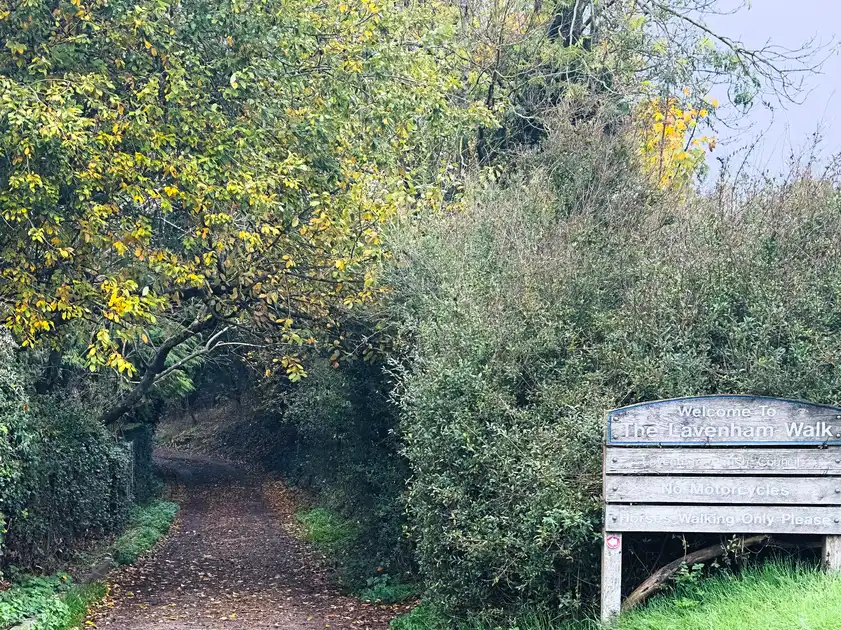
From Market Place, the route follows Market Lane towards High Street before continuing north along Bury Road. Leaving the historic buildings behind, walkers reach Dyehouse Field, home to the Lavenham Woodland Project. Established through local community efforts, this area has been developed to encourage wildlife and create an accessible green space for residents and visitors.
The woodland project combines young trees, grassy areas and sheltered habitats, providing opportunities to discover the changing natural landscape. Nut trees and other planting contribute to the site's developing woodland character, while open areas attract butterflies, insects and birds. More than 20 species of butterfly have been recorded in the area, including the brown argus, a small butterfly associated with sunny grassland habitats.
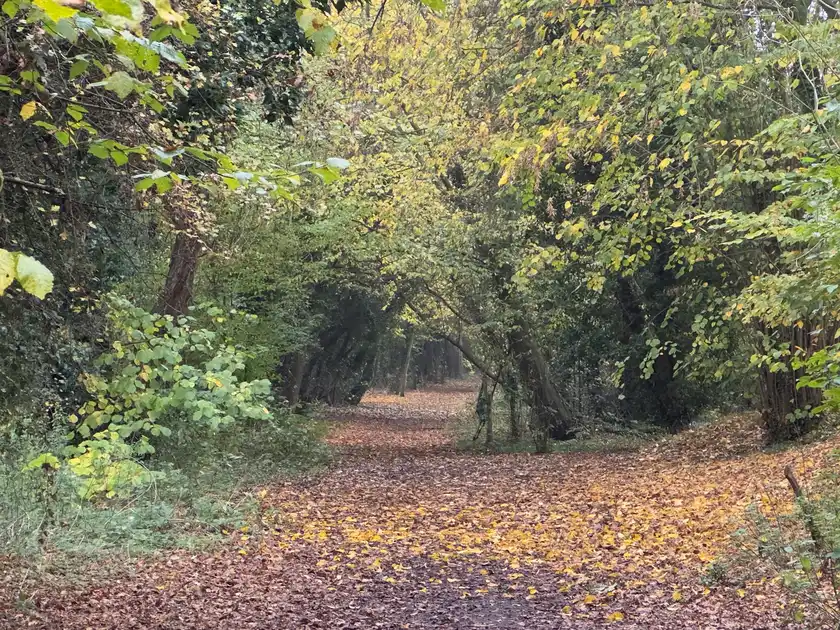
Paths lead through the woodland project towards the former Lavenham to Long Melford railway line. Once part of the Great Eastern Railway network, the line connected Lavenham with neighbouring settlements and provided an important transport link for the surrounding rural communities. Following its closure, sections of the railway corridor gradually developed into valuable wildlife habitats, with trees, shrubs and wildflowers occupying the former trackbed.
Today, the old railway provides a distinctive part of the circular walk. Its relatively level alignment makes for comfortable walking, while the sheltered corridor supports woodland birds and seasonal wildflowers. Blackcaps, whitethroats, goldcrests and other species have been recorded along the route, with the mixture of open and wooded habitats creating opportunities to observe wildlife throughout the year.
The railway also forms part of a longer walking connection between Lavenham and Long Melford. Beyond the circular route, the former track continues through a designated Site of Special Scientific Interest, recognised for its wildlife and ecological importance. Walkers wishing to explore further can follow the longer railway walk towards Long Melford, passing through woodland and open countryside between two of Suffolk's historic wool villages.
The circular route leaves the former railway near Bridge Street Road, returning towards Lavenham through a more open landscape. From here, views extend across the surrounding countryside towards the great tower of St Peter and St Paul's Church, which rises prominently above the village. The church provides a useful landmark as the route approaches the southern end of Lavenham.
A footpath leads around the rear of the church, offering an opportunity to appreciate its impressive medieval architecture and peaceful churchyard. Built largely during the late 15th and early 16th centuries, St Peter and St Paul's reflects the prosperity generated by Lavenham's cloth merchants. Its magnificent 43-metre flint tower is one of the village's most recognisable landmarks and an important feature of the surrounding landscape.
From the church, the route returns along High Street, passing the historic timber-framed buildings that give Lavenham much of its distinctive character. The final stretch leads back towards Market Place, where Lavenham Guildhall, Little Hall and the medieval Market Cross provide a fitting conclusion to the circular route.
The walk can be enjoyed as a countryside excursion or combined with a longer visit to Lavenham's historic attractions. Visitors can explore the Guildhall's exhibitions, discover the interiors and walled garden of Little Hall, or spend time among the village's independent shops, cafés and historic streets. The combination of countryside walking and medieval architecture makes Lavenham particularly appealing for a leisurely day out.
For those interested in longer routes, the St Edmund Way also passes through Lavenham, connecting the village with historic settlements and rural landscapes across Suffolk. The nearby railway walk towards Long Melford offers another opportunity to extend a visit, while Bury St Edmunds, further north, provides additional historic attractions, including Abbey Gardens, St Edmundsbury Cathedral and the remains of its medieval abbey.
The circular route is generally easy-going, although woodland paths can be uneven, with exposed tree roots and muddy sections following wet weather. A short section follows Bridge Street Road, where walkers should take care around passing traffic. Allow approximately 90 minutes for the complete circuit, with additional time for wildlife watching, photography and exploring the historic village.
On High Street, The Swan at Lavenham Hotel & Spa offers accommodation in a historic 15th-century timber-framed building, with individually furnished guest rooms, restaurant dining and Weavers' House Spa. Situated along the return section of the circular walk, the hotel provides a convenient place to stay while exploring Lavenham's woodland paths, Market Place, Lavenham Guildhall and St Peter and St Paul's Church. The St Edmund Way and the former railway route towards Long Melford offer further opportunities to discover the surrounding Suffolk countryside.
Featured Stay

The Swan at Lavenham Hotel & Spa
Stay at The Swan at Lavenham, a historic 15th-century hotel with individually furnished bedrooms, restaurant dining and a luxury spa, surrounded by the timber-framed streets and historic landmarks of Lavenham.
Check availability
Select your dates to check current availability and prices.
