
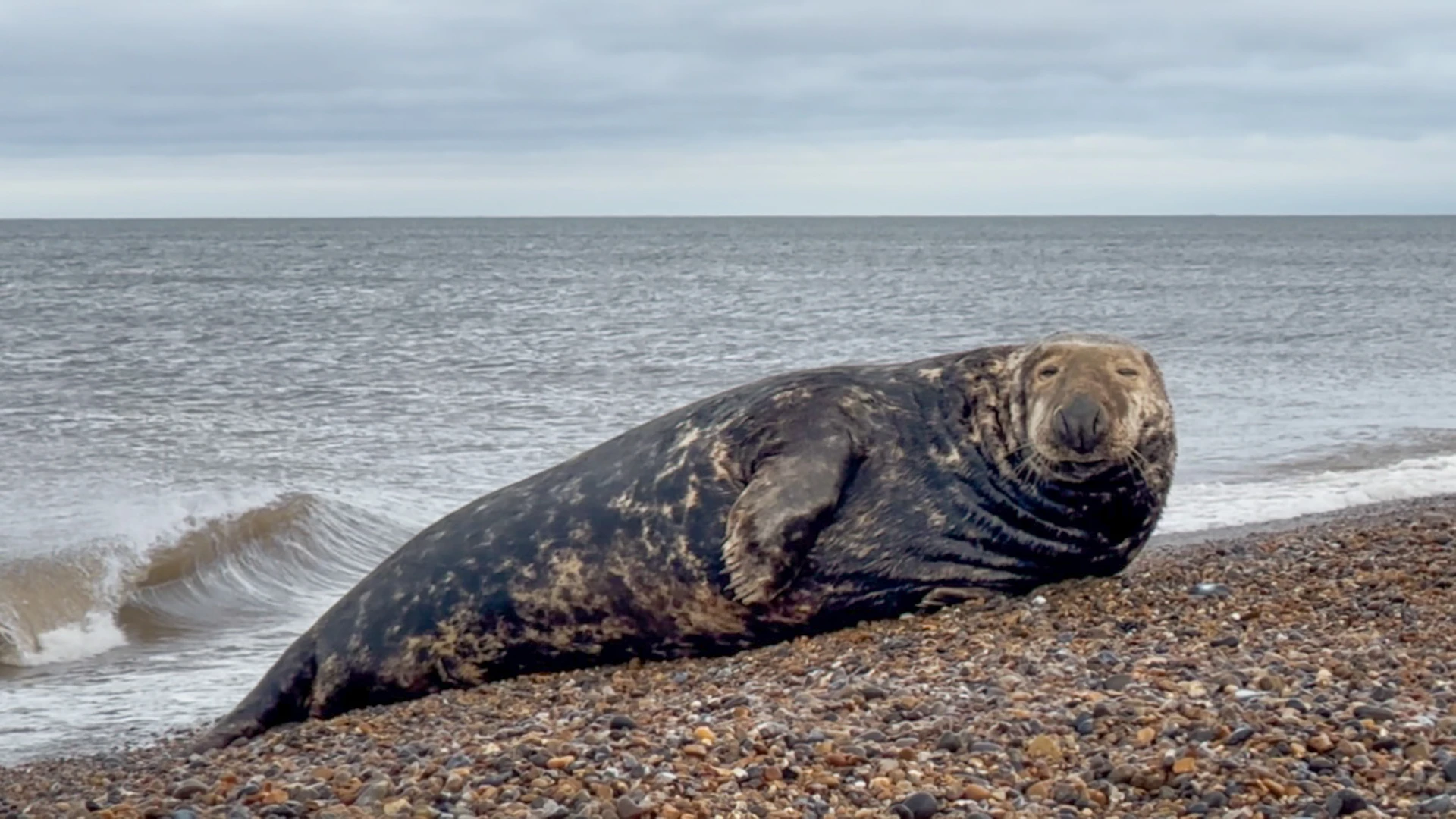

Adventure Travel News – 28 November 2025
This week, Self Guided Travel expands its mapping of wild places with the launch of a new Nature Reserves & Wild Places index — beginning along the Norfolk Coast National Landscape. By connecting protected wetlands, coastal reserves, and wildlife-rich landscapes directly to National Trails and coastal paths, we’re strengthening the link between walking routes, nature, and low-impact exploration.
Nature Reserves & Wild Places Added to the Search Engine

We’ve launched the first entries in our new Nature Reserves & Wild Places section — starting with Cley Marshes Nature Reserve, a flagship Norfolk Wildlife Trust site on the Norfolk Coast Path. This new layer of the search engine brings together landscapes protected for wildlife, migration corridors, wetlands, heathlands, and coastal habitats — placing them directly alongside the trails and destinations that pass through them.
Each reserve is indexed as a discoverable place in its own right, with direct routes into walking paths, nearby villages, and wider National Landscape pages.
Why it matters
Nature reserves are the quiet heartbeat of many walking routes. By indexing them directly, travellers can now move between trails, landscapes, and protected wild places with clarity — while conservation organisations gain meaningful visibility within a dedicated outdoor search environment.
The Norfolk Coast as the First Wild Places Focus
The Norfolk Coast has become the starting point for this new section — a coastline shaped by saltmarsh, reedbeds, dunes, and tidal creeks. With the Norfolk Coast Path running directly through multiple protected sites, it offers one of the clearest examples of how walking routes, wildlife habitats, and National Landscapes intersect.
From Cley to Blakeney, Holme to Winterton, the coast holds a dense concentration of reserves managed by trusts and conservation bodies — all of which will be added to the platform over time.
Why it matters
This lays the groundwork for a national network of wild places — showing how nature protection, access routes, and slow travel meet on the ground. It also begins a new editorial thread for The Guide, centred on species, habitats, and seasonal movement through the landscapes we publish.
Wild Places Join Trails, Landscapes, and Destinations
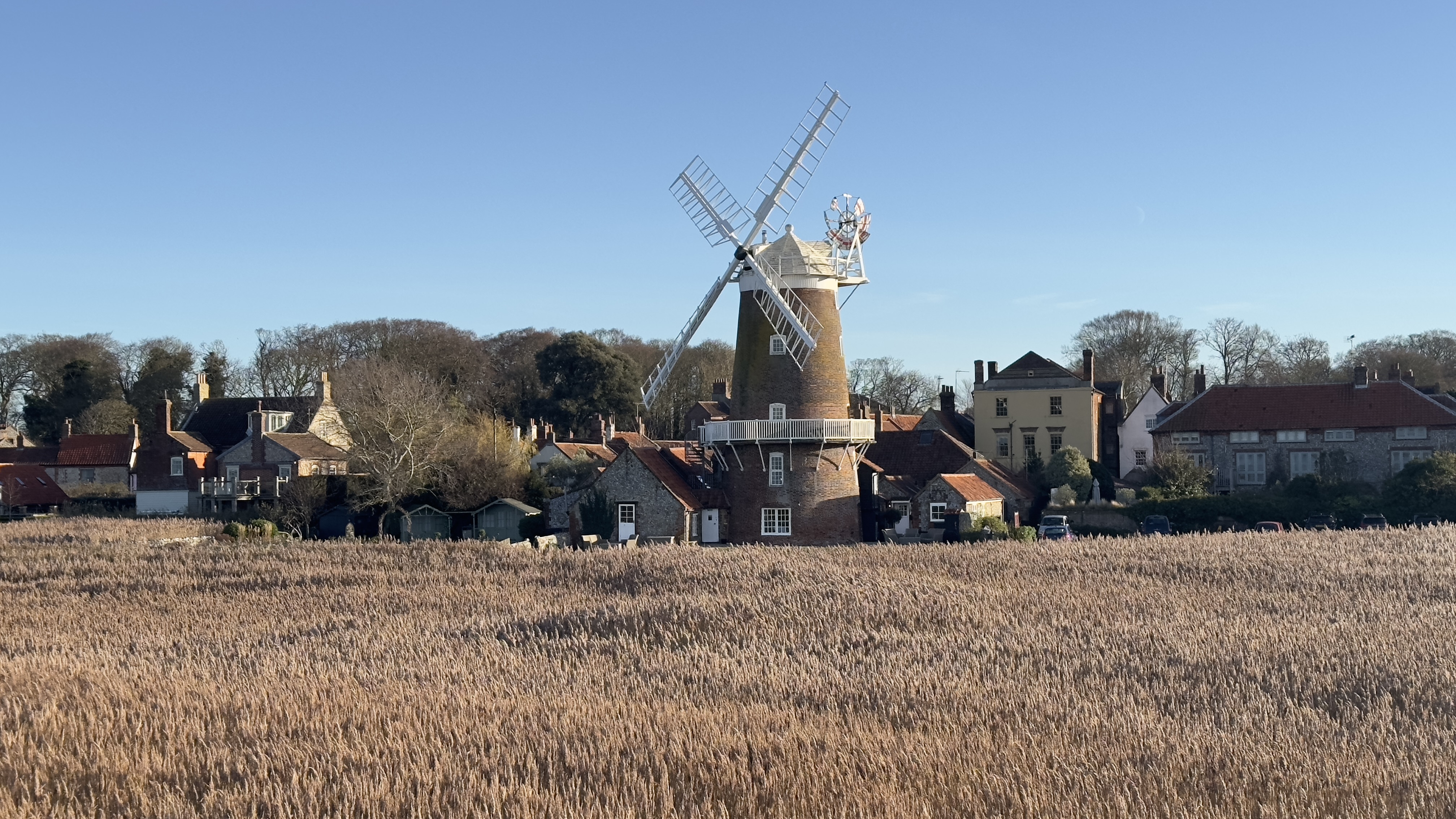
Nature Reserves & Wild Places now sit alongside existing sections for National Trails, National Landscapes, coastal routes, and local destinations — expanding the platform beyond routes and settlements to include the ecological layers that define them.
These reserves will also feature across:
- Trail pages that pass through or alongside them
- National Landscape pages
- Destination guides near key access points
- Future nature-led articles and seasonal wildlife features
Why it matters
This strengthens the platform as a true place-based search engine, not just for routes and stays — but for the living landscapes that make them worth exploring. It also opens new pathways for conservation groups, nature trusts, and land managers to be discovered by people already seeking wild spaces.
Looking Ahead
Over the coming months, Nature Reserves & Wild Places will expand across:
- The Norfolk Coast
- The Suffolk Coast & Heaths
- Key river valleys, wetlands, and upland habitats linked to National Trails and major routes
Each site will be indexed as a discoverable place — not a directory entry — allowing nature to sit naturally within the wider structure of Self Guided Travel.