
Georgian streets, historic quays and the Stour Estuary
Manningtree is a historic town in north-east Essex, standing on the southern bank of the River Stour where the river broadens into a tidal estuary. Known for its compact streets, Georgian architecture and waterfront setting, the town lies between the countryside of Dedham Vale National Landscape and the open waters of the Stour Estuary. Its independent shops, traditional pubs and railway connections make it an appealing place to explore on foot and a useful starting point for discovering the Suffolk and Essex border.
Often described as England's smallest town by area, Manningtree developed as a medieval market settlement and trading port. Its prosperity grew through the wool and cloth industries, followed by coastal shipping and the movement of agricultural goods along the River Stour. The town retains a distinctive historic centre, where timber-framed buildings stand alongside Georgian frontages, reflecting several centuries of commercial activity and changing architectural fashions.
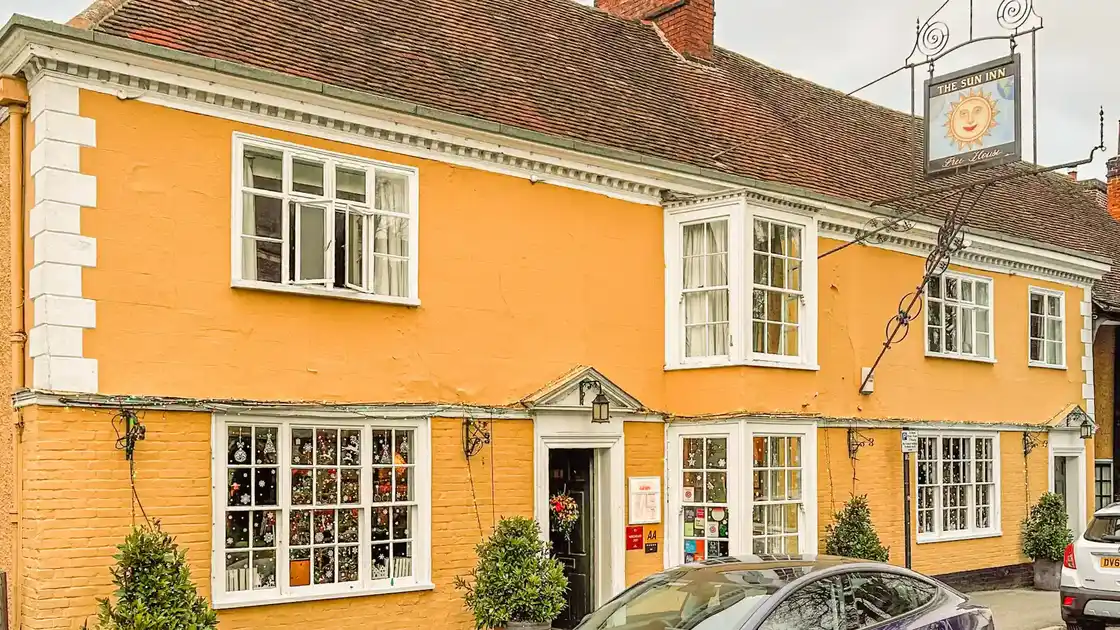
Manningtree High Street forms the heart of the town, with independent shops, cafés, traditional pubs and historic buildings lining its compact centre. The Market Cross recalls the town's trading history, while South Street and the surrounding lanes contain former merchants' houses and buildings associated with the cloth industry. The mixture of architectural styles makes the town particularly rewarding to explore at a leisurely pace.
Manningtree also has a darker place in English history through its association with Matthew Hopkins, the self-appointed Witchfinder General. During the seventeenth-century witch trials, Hopkins operated in Manningtree and the surrounding area, contributing to the persecution and execution of people accused of witchcraft across East Anglia. This episode remains an important, if troubling, part of the town's historical identity.
Along the waterfront, the River Stour opens into the Stour Estuary, creating broad views across tidal water, mudflats and the Suffolk shoreline. The changing tides reveal extensive areas of exposed mud and shallow channels, attracting wading birds and other estuary wildlife. Paths near the quay and along the waterfront provide opportunities to enjoy the open landscape, watch boats on the water and appreciate Manningtree's historic relationship with the river.
To the east, the waterfront continues towards Mistley, a neighbouring village known for its historic quay, Georgian buildings and Mistley Towers, the surviving remains of a church designed by Robert Adam. The walk between Manningtree and Mistley offers views across the estuary and opportunities to explore the area's maritime and architectural heritage. Further downstream, Wrabness provides access to woodland, saltmarsh and the Wrabness Nature Reserve, where paths overlook the wider estuary.
Manningtree is also an important meeting point for several established walking routes. The Essex Way, a long-distance path between Epping and Harwich, passes through the area and continues east towards Mistley and the coast. The St Edmund Way begins at Manningtree railway station before heading north through Suffolk towards Brandon, passing historic villages and the town of Bury St Edmunds. Nearby Cattawade marks the eastern end of the Stour Valley Path, which follows the river valley from Newmarket through countryside, historic settlements and water meadows.
To the west, the landscapes of Dedham Vale National Landscape provide opportunities to explore the countryside associated with John Constable. Paths from the Manningtree area lead towards Flatford, where Flatford Mill, Willy Lott's Cottage and Bridge Cottage stand beside the River Stour. Nearby Dedham offers Georgian streets, historic buildings and riverside walks, while East Bergholt, Constable's birthplace, provides further connections with the artist and the surrounding landscape.
Manningtree railway station makes the town particularly accessible for visitors travelling without a car. Mainline services connect with London, Colchester, Ipswich and Norwich, while the branch line towards Harwich provides access to other settlements along the Essex Coast. Visitors can spend the morning exploring the historic centre, enjoy lunch in one of the town's pubs or cafés and follow the waterfront towards Mistley during the afternoon. For a longer stay, Manningtree offers a convenient starting point for discovering both the Stour Estuary and the inland countryside of Dedham Vale.
Featured Stay

The Crown Pub and Hotel, Manningtree
Stay at The Crown Pub and Hotel on Manningtree High Street, a historic riverside pub with four individually styled guest rooms, restaurant dining and an outdoor terrace overlooking the Stour estuary, close to the walking paths and historic villages of Constable Country.
Check availability
Select your dates to check current availability and prices.