
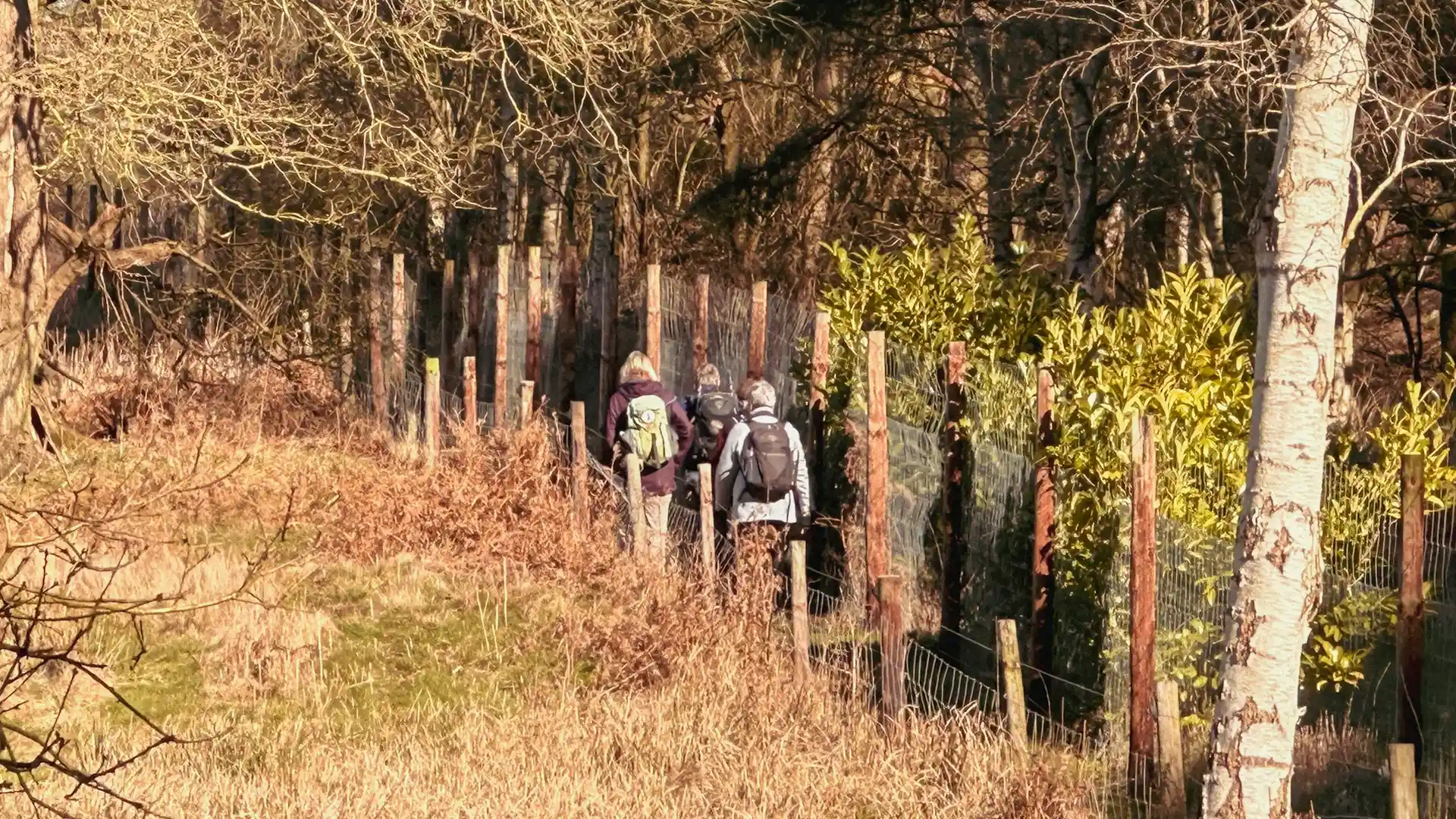

Walking the Peddars Way: A Quiet Journey from Heathland to Sea
Some walks are about challenge. Others are about scale or spectacle.
Walking the Peddars Way is about something quieter: time, rhythm, and the slow satisfaction of following a path that has guided travellers for nearly two thousand years.
Running from the edge of Breckland in Suffolk to the wide skies of the North Norfolk coast, the Peddars Way is one of England’s most understated long-distance trails — and one of its most rewarding for walkers looking for a calm, well-paced journey.
An Ancient Route Through Open Country
The trail follows the remarkably straight line of a Roman road, laid down almost 2,000 years ago to move people and goods between inland East Anglia and the coast. Today, that history is still felt underfoot — not in dramatic ruins, but in the quiet certainty of the route itself.
From Knettishall Heath, sandy paths lead through open heathland and ancient oak woodland before giving way to the pine forests of Breckland. The walking here is gentle and steady, with long, open stretches that invite an unhurried pace. This is lowland England at its most spacious, where wide skies and birdsong set the tempo for the day.
Villages That Shape the Journey
What gives the Peddars Way its character is not just the landscape, but the villages threaded along its length. These small, well-spaced settlements shape the rhythm of a multi-day walk, offering natural stopping points without breaking the sense of continuity.
Castle Acre is one of the route’s highlights. Its ruined priory, set beside the River Nar, feels like a moment of pause — a place to linger before continuing north. Further on, Great Massingham offers village greens, traditional pubs, and a sense of everyday Norfolk life that contrasts beautifully with the silence of the surrounding countryside.
These villages are not tourist hubs, and that’s part of the appeal. The trail feels lived-in rather than staged, making it especially well suited to walkers who value authenticity over spectacle.
Walking at a Human Pace
Unlike many long-distance routes, the Peddars Way places very few physical demands on the walker. The terrain is mostly flat, the paths are clear, and waymarking is excellent throughout. This makes it an ideal choice for a self-guided walking holiday, particularly for those new to multi-day walking or returning to the trail after time away.
Days tend to unfold naturally: walking in the morning, stopping for lunch in a village or by a churchyard, and arriving at your next overnight stop with time to spare. With accommodation arranged in advance and the option of luggage transfers, the focus stays firmly on the experience of walking rather than logistics.
From Inland Calm to Coastal Air
As the trail approaches its northern end, subtle changes signal the journey’s final phase. The land opens out near Ringstead, sea air drifts inland, and the light begins to shift. Reaching Holme-next-the-Sea, the sense of arrival is gentle rather than dramatic — dunes, saltmarsh, and the quiet presence of the North Sea.
Here, the Peddars Way meets the Norfolk Coast Path, offering the option to continue walking along one of England’s finest coastal routes. For many, this inland-to-coast pairing creates a perfectly balanced walking holiday: history and heathland followed by open beaches and coastal skies.
Why the Peddars Way Works as a Walking Holiday
The appeal of the Peddars Way lies in its balance. It’s long enough to feel like a journey, but never overwhelming. Remote without feeling isolated. Historic without being heavy-handed. Above all, it’s a trail that respects the walker’s need for space and simplicity.
For those seeking a relaxed, well-supported walking holiday, the Peddars Way offers something increasingly rare: the chance to walk through England quietly, following a route shaped by centuries of movement, at a pace that feels entirely your own.
Planning Your Walk
Most walkers complete the Peddars Way over three to five days, staying in villages along or just off the route. Accommodation is limited but welcoming, and advance planning is essential — particularly in spring and summer.
If you’re considering walking the trail as part of a longer journey, combining it with the Norfolk Coast Path creates a seamless extension from inland countryside to coast.
Explore the Peddars Way
Explore the full trail guide and walking options on the Peddars Way →