Find places to stay while exploring UNESCO-designated landscapes, heritage sites and surrounding areas on foot.
Search by town, village, destination or accommodation for your journey.
Ad · Accommodation links
We may earn a commission when you book through links on this map, at no extra cost to you.
Check availability
Select your dates to check current availability and prices.
GALLERY
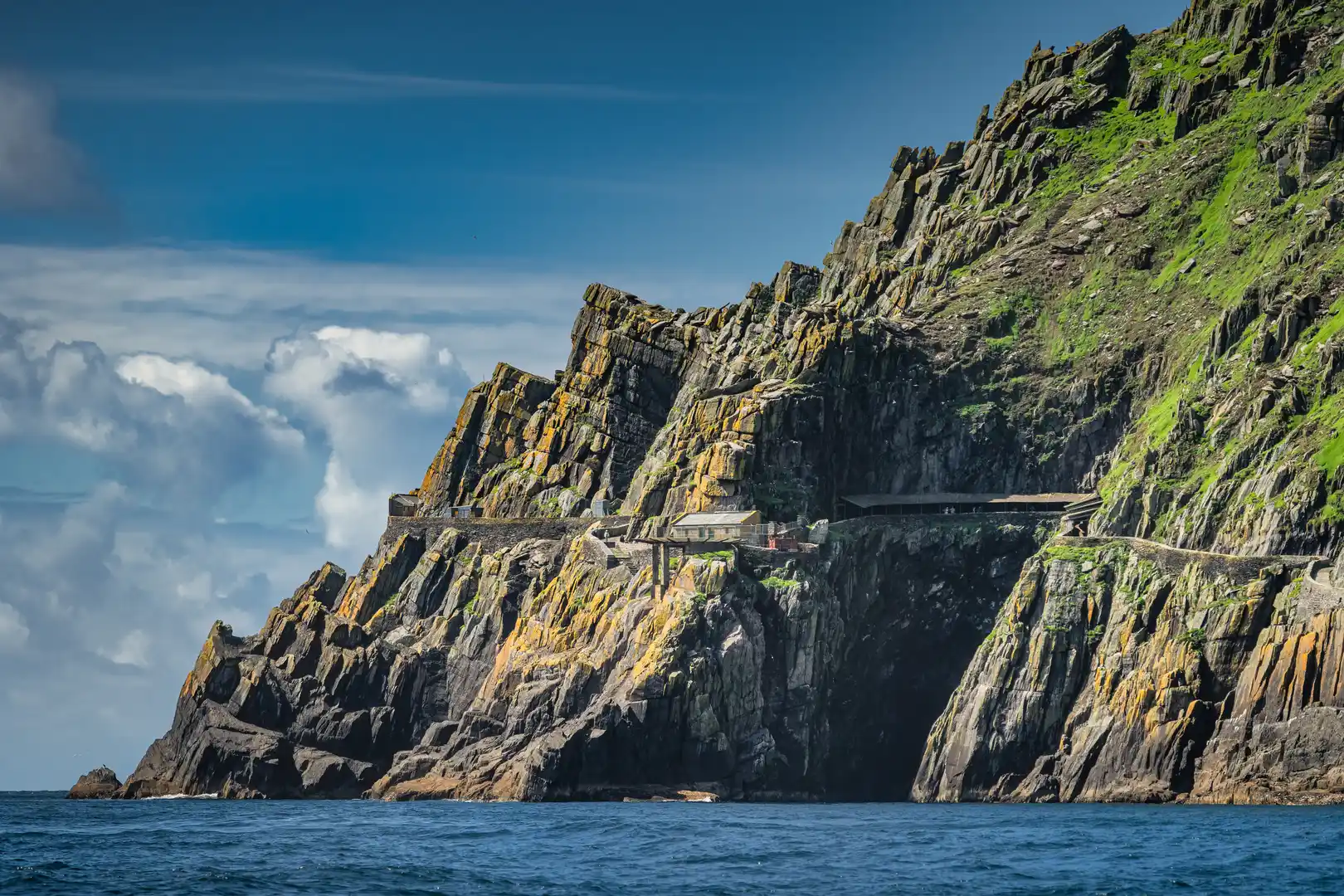
Skellig Michael UNESCO World Heritage Site in pictures
A closer look at the places, landscapes and heritage of the World Heritage Site.
WHERE TO STAY
Stay and explore
Discover selected hotels, inns and guest houses for exploring UNESCO-designated sites and their surrounding landscapes on foot.
GUIDES
Good to know
Practical guides and local information to help you plan walks, stays and visits to UNESCO-designated sites and their surrounding areas.
WALKING BREAKS
Stay a little longer
Spend a few nights exploring UNESCO-designated sites and their surrounding landscapes, with walks and places to discover around your stay.
JOURNEYS
Follow the path
Follow long-distance trails over several days, with suggested itineraries, places to stay and practical information for exploring UNESCO-designated landscapes and heritage sites on foot.
About
Self Guided Travel is an independent travel publisher exploring Britain's trails, landscapes and wild places.
We bring together routes, places, journeys, places to stay and practical guides to help you discover somewhere new and plan your own journey.
This website uses cookies to improve your experience. By using this website, you consent to our use of cookies if you accept.
We also use a privacy-friendly, cookieless measurement when cookies are declined.
Learn more