
Walk the John Muir Way
The John Muir Way crosses Scotland from the Firth of Clyde at Helensburgh to the North Sea coast at Dunbar, the birthplace of conservationist John Muir. Covering 134 miles, the route connects the west and east coasts through a varied cross-section of central Scotland.
From Helensburgh, the trail climbs away from the Clyde towards the landscapes south of Loch Lomond, before continuing east through woodland, farmland and the countryside north of Glasgow. The route reaches Strathblane before crossing towards the Forth and Clyde Canal and the historic centre of Scotland.
Around Falkirk, the John Muir Way passes close to some of the country's best-known modern landmarks, including The Falkirk Wheel and The Kelpies. It then continues towards Linlithgow, combining canal paths, woodland and open countryside with historic towns and settlements along the way.
East of Linlithgow, the trail approaches the Firth of Forth and continues through landscapes shaped by both industry and centuries of settlement. The route passes through South Queensferry, beneath the Forth bridges, before heading towards Edinburgh.
The John Muir Way crosses Edinburgh, giving the trail an unusually urban section for a long-distance walking route. From the capital it returns towards the coast, continuing east through East Lothian and a landscape of farmland, beaches, historic settlements and volcanic hills.
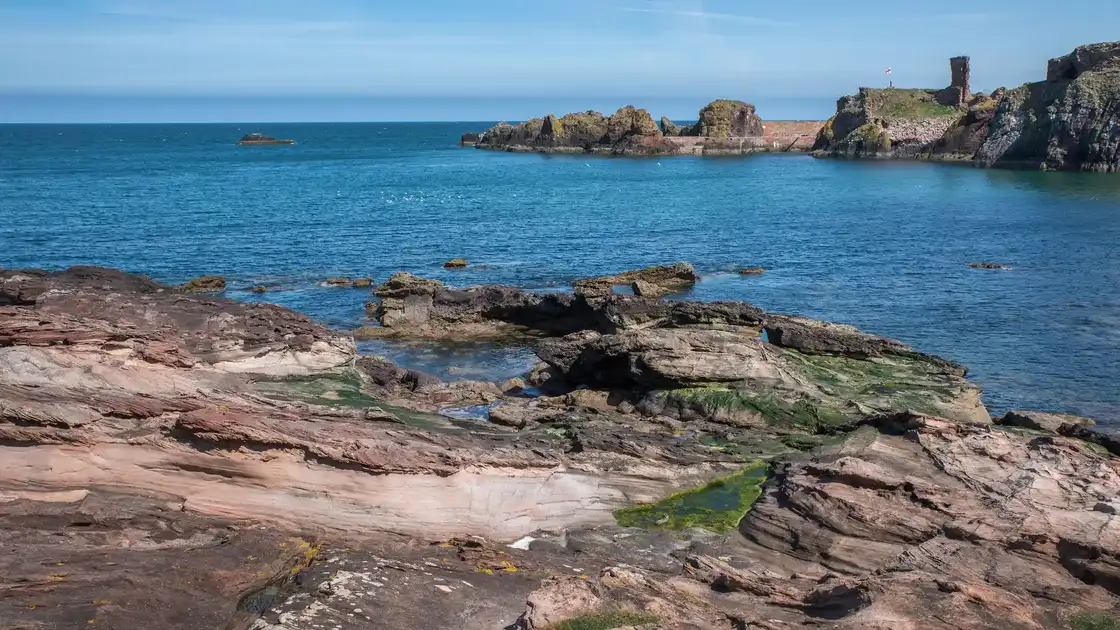
The final stages pass through and around North Berwick, with views across the Firth of Forth and its islands, before following the East Lothian coast towards Dunbar. The town was John Muir's birthplace and forms the eastern end of the route.
Although the complete John Muir Way is a substantial coast-to-coast walk, its connections with towns, railway stations and accommodation across central Scotland also make it well suited to shorter walks and stay-based walking breaks. Helensburgh, Falkirk, Linlithgow, Edinburgh, North Berwick and Dunbar provide useful bases for exploring individual parts of the route.
Overview
Distance: 134 miles / 215 km
Typical duration: 9–11 walking days
Difficulty: Moderate
Start: Helensburgh
Finish: Dunbar
Terrain: Canal towpaths, woodland and countryside tracks, surfaced paths, coastal paths, minor roads and urban sections
Check availability
Select your dates to check current availability and prices.