


Adventure Travel News – 17 October 2025
This week, Scotland shines as a global leader in sustainable travel — from trailblazing conservation to new walking routes that open up the country’s wildest corners. Here’s what’s happening across the Highlands, Islands, and National Parks in the world of walking holidays and outdoor adventures.
Scotland’s UNESCO Trail Gains Global Recognition

Scotland’s UNESCO Trail — the world’s first national trail linking all 13 UNESCO designations — has been hailed as a model for sustainable tourism.
A new report from UNESCO UK shows that two in five international visitors were inspired to visit Scotland after learning about the trail. From the volcanic landscapes of the Isle of Arran Geopark to the cultural heart of Edinburgh’s Old and New Towns, it connects biospheres, geoparks, and heritage sites through a shared story of landscape, people, and place.
“It’s helping people see Scotland differently — as a living landscape shaped by culture, community, and care,” said Francesca Osowska, CEO of NatureScot.
Why it matters
A landmark for responsible tourism, the UNESCO Trail proves that walking and cultural travel can be both low-impact and high-value — bringing visitors closer to the real Scotland.
Rhins of Galloway Coast Path Opens
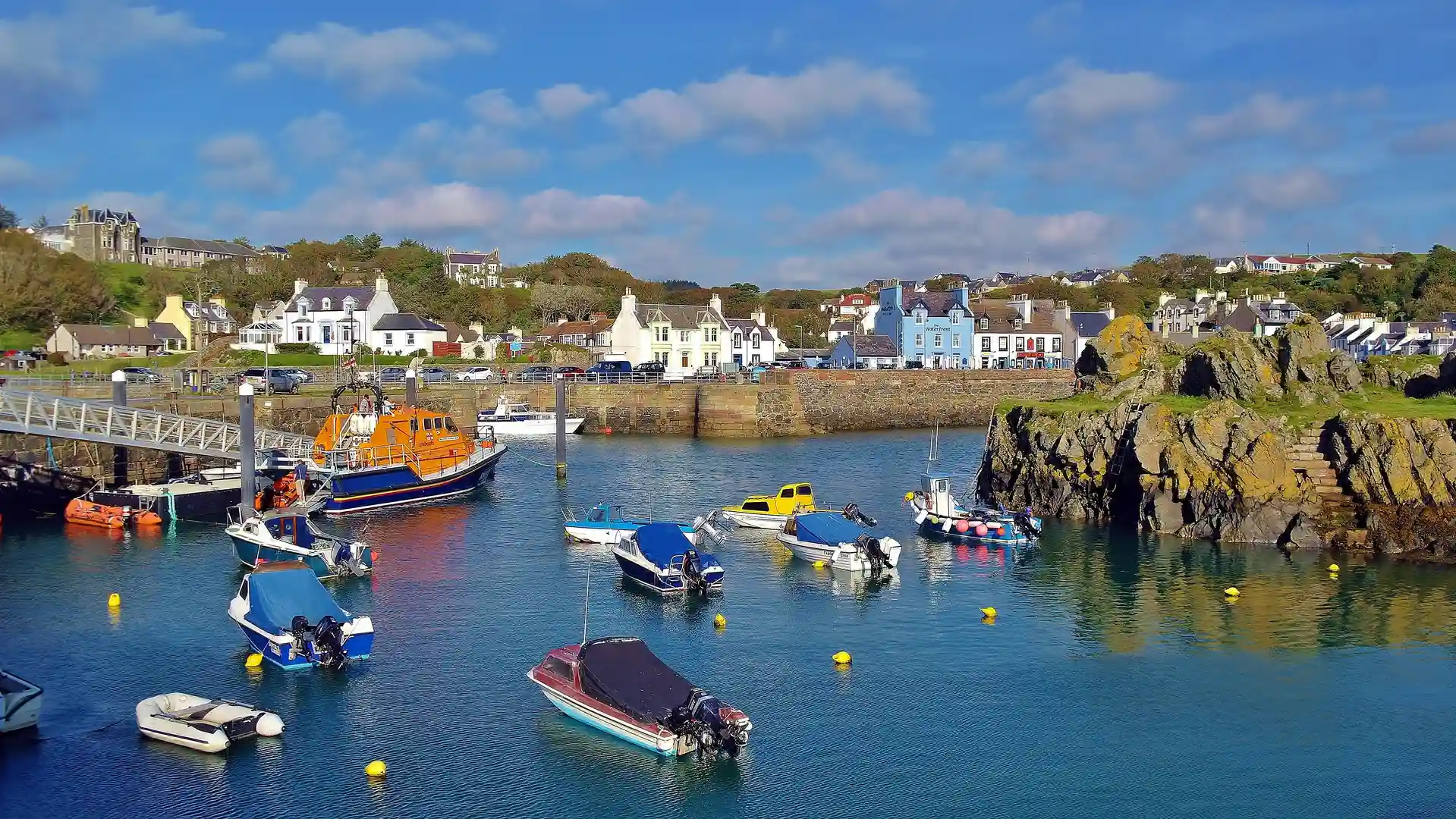
Scotland’s newest long-distance walking route, the Rhins of Galloway Coast Path, is now officially open.
Stretching 83 miles around the rugged peninsula of south-west Scotland, the path links Stranraer, Portpatrick, and a chain of historic lighthouses, sea cliffs, and fishing harbours. Developed with strong local input, it showcases some of the most remote and unspoiled coastline in the UK.
Why it matters
The route opens up new opportunities for self-guided walking holidays in Dumfries & Galloway — giving walkers fresh ways to explore one of Scotland’s quietest coastal regions.
Cairngorms 2030: Rewilding Scotland’s National Park
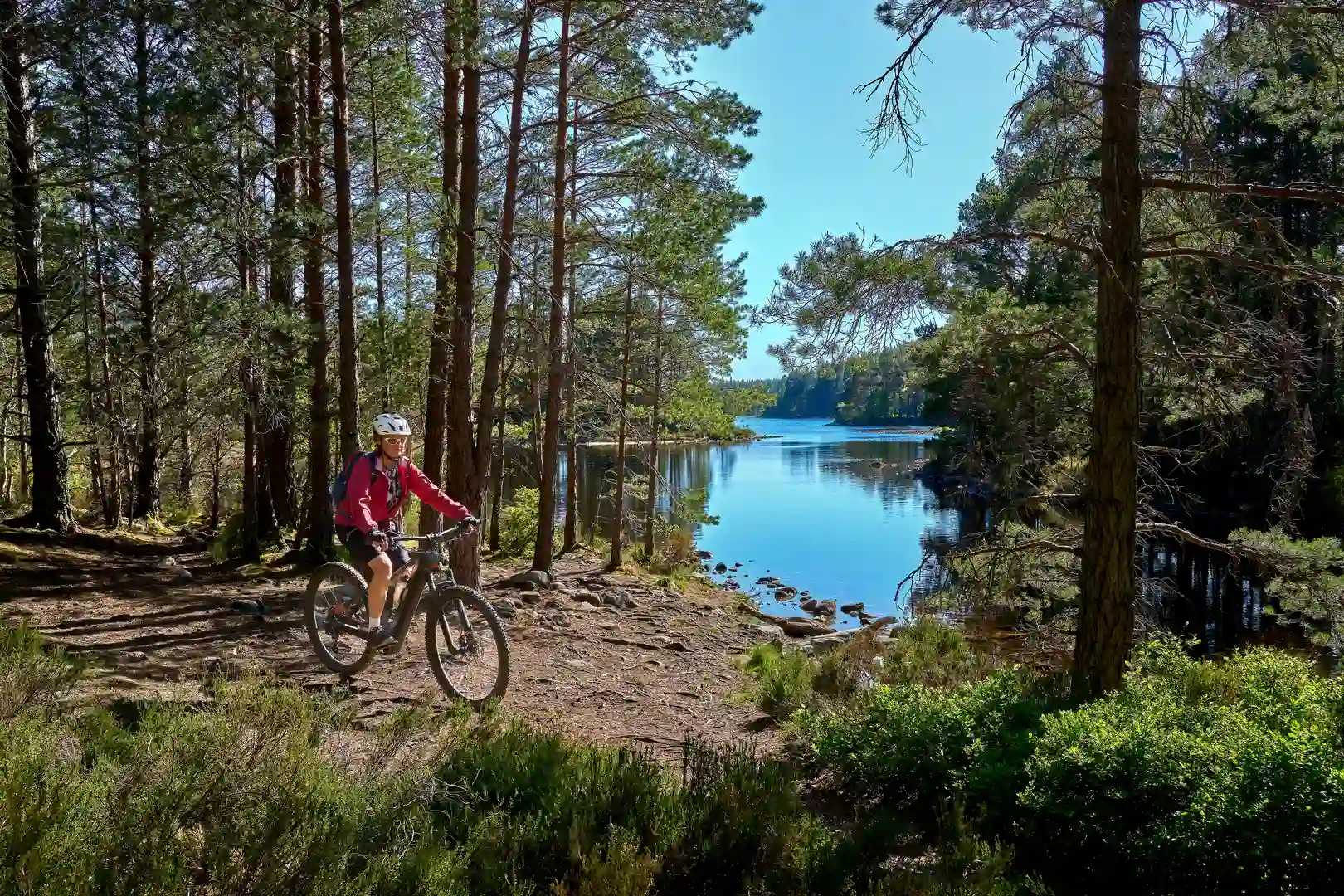
The Cairngorms National Park Authority has announced significant progress on its Cairngorms 2030 initiative — a visionary programme to make the park carbon neutral and nature positive within the decade.
Work is now underway on large-scale peatland restoration, woodland regeneration, and sustainable travel links between Aviemore, Kingussie, and Braemar — encouraging more visitors to explore the park car-free.
Why it matters
Cairngorms 2030 embodies Scotland’s long-term commitment to rewilding and slow adventure — creating landscapes that work for nature, people, and future generations alike.