
Historic village, medieval church and the landscapes of Dedham Vale
Stoke-by-Nayland is a historic village in southern Suffolk, standing on elevated ground above the River Stour within Dedham Vale National Landscape. Surrounded by rolling farmland, woodland and quiet country lanes, the village is known for its medieval church, traditional buildings and views across the countryside of the Stour Valley. Its position between historic settlements and established walking routes makes it an attractive place to explore the Suffolk and Essex border.
The village's most prominent landmark is St Mary's Church, whose magnificent fifteenth-century tower rises above the surrounding rooftops and countryside. Built during the prosperity of Suffolk's medieval wool trade, the church reflects the wealth and importance of the area during the late Middle Ages. Its substantial architecture, historic interior and commanding position make it one of the most distinctive churches in the Stour Valley.
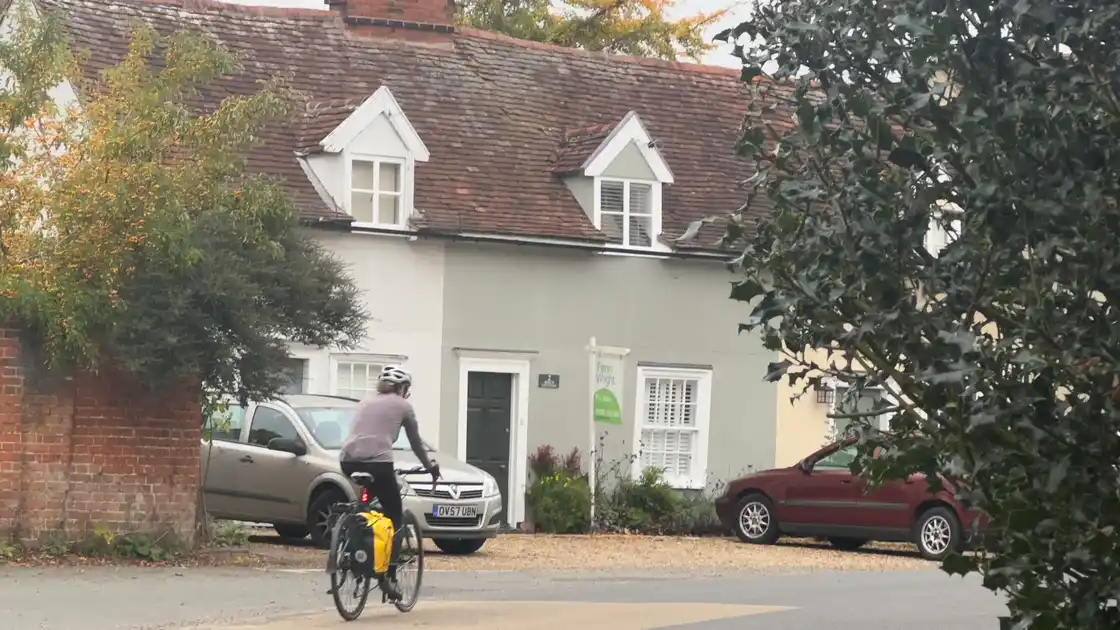
Around the church, Stoke-by-Nayland retains a collection of traditional houses, timber-framed buildings and historic cottages that give the village its character. The narrow lanes, established gardens and old buildings create an attractive setting for exploring on foot, while the surrounding countryside is never far from the village centre.
The landscape around Stoke-by-Nayland differs from the flatter water meadows beside the River Stour. Field paths, farm tracks and quiet lanes cross gently rising hills and shallow valleys, opening views across farmland, woodland and neighbouring villages. The elevated setting is particularly characteristic of this part of Dedham Vale National Landscape, where historic settlements occupy ridges above the river valley.
Local footpaths provide opportunities for shorter walks directly from Stoke-by-Nayland. Routes descend towards Nayland, where medieval timber-framed buildings, St James' Church and riverside meadows offer a contrasting landscape beside the River Stour. Other paths lead through open farmland and wooded countryside, allowing visitors to explore the quieter rural surroundings without travelling far from the village.
The Stour Valley Path, extending between Newmarket and Cattawade, and the St Edmund Way, a pilgrimage route between Manningtree and Brandon, provide longer walking connections through the surrounding Stour Valley. These established routes can be joined using local paths, offering opportunities to explore towards Bures and Sudbury or discover smaller settlements and countryside along the Suffolk and Essex border.
Beyond Stoke-by-Nayland, the surrounding area includes several historic villages and places worth visiting. Polstead is known for its traditional village setting and medieval church, while Stratford St Mary lies further along the River Stour. To the east, Dedham and Flatford are closely associated with John Constable, whose paintings captured the river, water meadows and rural landscapes of this part of East Anglia.
Stoke-by-Nayland is well suited to a relaxed visit combining historic architecture and countryside walking. Visitors can explore St Mary's Church and the village streets before following local paths into the surrounding hills, returning for lunch or an evening meal in the village. Its quiet rural setting also makes it a convenient location for exploring the wider Stour Valley over several days.
For visitors staying in Stoke-by-Nayland, The Crown Inn offers individually styled guest rooms and restaurant dining in the heart of the village. Surrounded by the countryside of Dedham Vale, the historic inn provides accommodation within walking distance of St Mary's Church and local footpaths, with neighbouring villages and the River Stour within easy reach.
Featured Stay
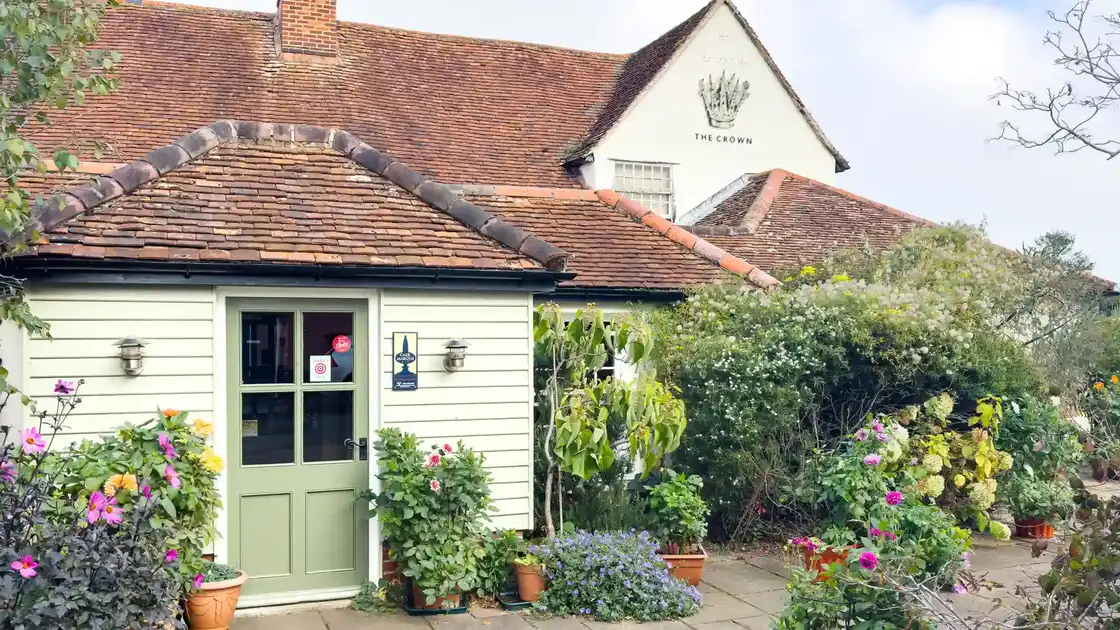
The Crown Inn, Stoke-by-Nayland
Stay at The Crown Inn in Stoke-by-Nayland, a historic village inn with individually styled guest rooms, restaurant dining and countryside views, surrounded by the walking paths, historic villages and rolling landscapes of Dedham Vale National Landscape.
Check availability
Select your dates to check current availability and prices.