
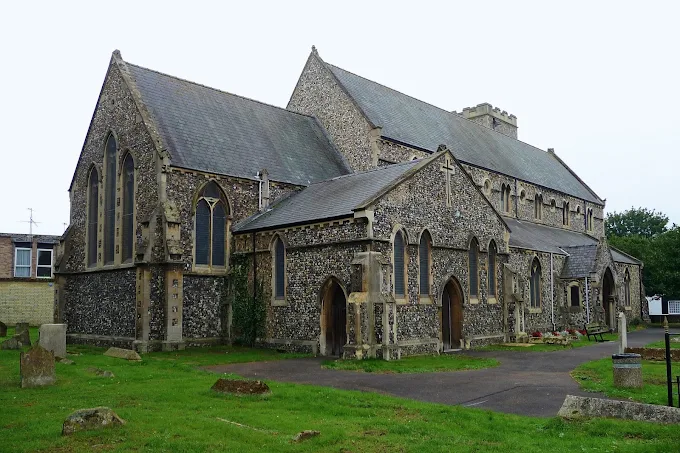
The beginning of the Stour Valley Path
Newmarket is a historic market town in western Suffolk, close to the Cambridgeshire border and surrounded by open heathland, farmland and gently rolling countryside. Best known as the home of British horseracing, the town also marks the beginning of the Stour Valley Path, a long-distance walking route following the landscapes and historic settlements of the Stour Valley towards the Suffolk and Essex coast.
The Stour Valley Path begins in Newmarket and heads south-east through the countryside towards Great Bradley, Clare and Sudbury, before continuing along the River Stour through the villages and landscapes of Dedham Vale National Landscape. The route connects market towns, historic villages, woodland, farmland and riverside meadows, offering a varied journey through one of East Anglia's distinctive rural landscapes.
Newmarket's surrounding heathland provides a contrasting setting to the river valleys further along the route. Newmarket Heath is closely associated with the town's racing history, with extensive training grounds and open grassland stretching across the landscape. Public footpaths and rights of way provide opportunities to explore parts of the surrounding countryside, although visitors should respect restrictions around the working racehorse gallops.
Within the town, High Street is lined with historic buildings, independent shops, traditional inns and places to eat. The National Horseracing Museum, housed within the historic Palace House site, provides an introduction to Newmarket's sporting heritage, while the town's churches, historic streets and racing establishments reflect its development over several centuries.
Beyond Newmarket, the countryside offers further opportunities for walking, including Devil's Dyke, a remarkable historic earthwork crossing the landscape to the west of the town. Its elevated banks and surrounding paths provide views across the open countryside and a connection with the area's early medieval history.
For visitors following the Stour Valley Path, Newmarket provides a practical starting point, with accommodation, restaurants, shops and transport connections before setting out into the countryside. Spending a night in the town allows time to explore its historic centre and surrounding heathland before beginning the journey towards Great Bradley and the upper Stour Valley.
Newmarket also provides a connection with other historic destinations in western Suffolk, including Bury St Edmunds, known for its medieval abbey ruins, cathedral and gardens. Together with the Stour Valley Path, these connections make Newmarket a useful starting point for exploring the wider landscapes and settlements of southern Suffolk.
Check availability
Select your dates to check current availability and prices.