

Walking the South Downs Way: A Classic Journey from Ridge to Sea
Some walks are about immersion. Others are about challenge or distance.
Walking the South Downs Way is about space — open ridgelines, long views, and the steady rhythm of moving across England’s chalk heartland.
Stretching from the historic streets of Winchester to the white cliffs above Eastbourne, this National Trail is one of England’s most recognisable long-distance routes. It offers a walking holiday that feels expansive and rewarding, without ever losing its sense of comfort or connection to place.
A High Route Across the Chalk Downs
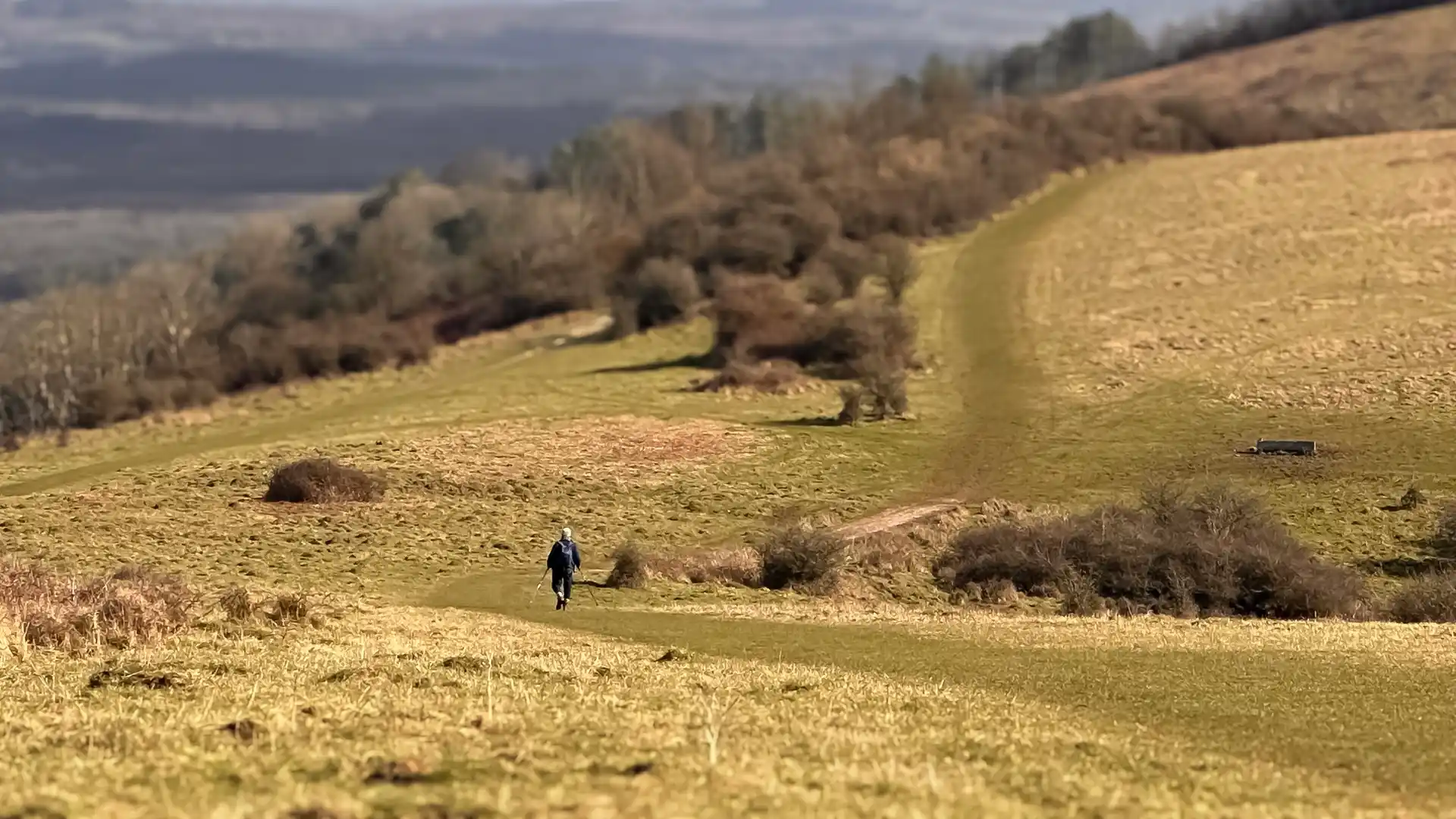
The South Downs Way follows a broad chalk ridge through the heart of the South Downs National Park, creating a route that stays high, open, and scenic for much of its length. From the outset, the walking is defined by wide skies and gently curving hills rather than deep valleys or dense woodland.
Leaving Winchester, the trail climbs steadily onto the downs, passing ancient trackways and hilltop viewpoints that hint at centuries of movement across this landscape. The chalk underfoot gives the path its distinctive character — firm, dry in summer, and softly rolling beneath long, open horizons.
Villages Below the Ridge
One of the defining features of the South Downs Way is how it balances openness with access. While the trail itself often follows the ridgeline, villages and historic towns sit just below, shaping the rhythm of a multi-day walk.
Places such as Amberley, Lewes, and Alfriston provide natural stopping points, each offering a change of pace after a day on the hills. Medieval streets, flint churches, and traditional pubs anchor the journey in lived-in England, preventing the walk from ever feeling remote or isolated.
This pattern — high walking by day, village life by evening — is a big part of what makes the route so well suited to a self-guided walking holiday.
Walking That Rewards the Effort
While the South Downs Way is not technically difficult, it does ask something of the walker. The terrain is undulating, with regular climbs and descents that build steadily across the route. The reward is consistency: each ascent opens out into another long stretch of ridge walking, with views that change subtly as the trail moves east.
Days tend to follow a satisfying rhythm — climbing in the morning, open walking through the middle hours, and a gradual descent toward evening. With accommodation arranged in advance, the focus remains on the experience of walking rather than on daily logistics.
From Rolling Downs to Open Coast
The final stages of the South Downs Way are among its most memorable. Beyond Alfriston, the landscape begins to change. The ridge narrows, the air turns saltier, and the land falls away toward the sea.
Reaching the white cliffs of the Seven Sisters and Beachy Head feels like a natural conclusion rather than a dramatic finale — a gradual transition from inland calm to coastal openness. The descent into Eastbourne marks the end of a journey shaped as much by space and light as by distance.
Why the South Downs Way Works as a Walking Holiday
The appeal of the South Downs Way lies in its balance. It is long enough to feel like a true journey, challenging enough to feel earned, and accessible enough to be enjoyed without specialist skills or equipment.
For walkers looking for a classic English walking holiday — one that combines history, landscape, and a sense of progression — the South Downs Way remains one of the most satisfying routes in the country.
Explore the South Downs Way
Explore the full trail guide and walking options on the South Downs Way →