
Cart
0

Antrim Coast and Glens National Landscape – Basalt Cliffs, Glens and Coastal Routes Along Northern Ireland’s Causeway Coast

Clifftop Headlands, Wooded Valleys, and Atlantic Shoreline Walking Between Ballycastle and Larne

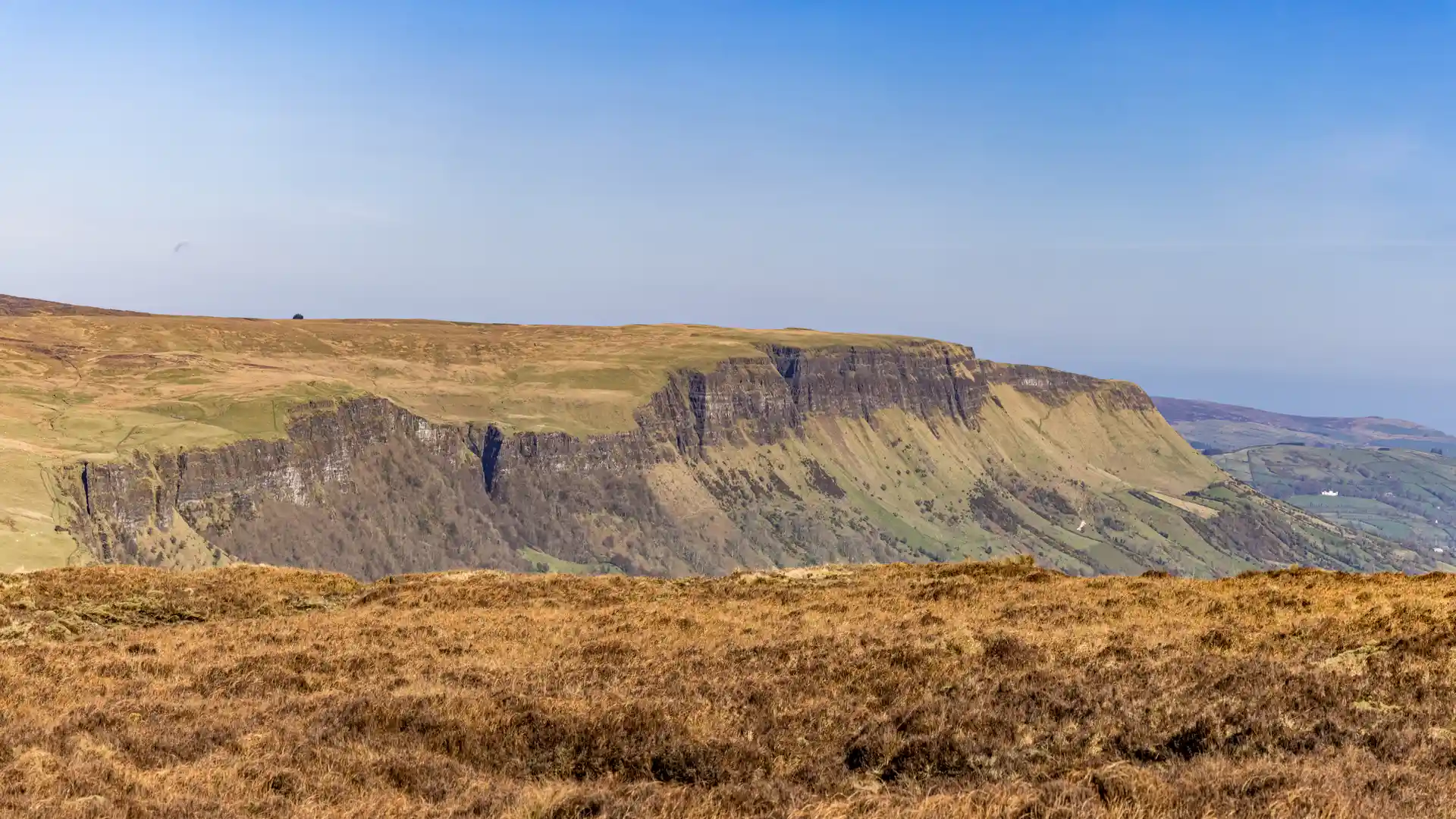
The Antrim Coast and Glens National Landscape — Area of Outstanding Natural Beauty — follows the north and east coast of County Antrim between Larne and Ballycastle. Shaped by self-guided travel, walking, routes, landscapes, and places, the area connects the Causeway Coast Way with settlements including Cushendall, Cushendun, Glenariff, Carnlough, and Ballintoy across a dramatic shoreline of basalt cliffs, sandy bays, wooded glens, and small harbours.

Walking here is shaped by contrast between exposed coastal headlands and sheltered inland valleys. The ground varies between firm cliff paths, grassy slopes, minor roads, forest tracks, and occasional rough or uneven sections near rocky shorelines. Gradients are moderate to steep in places, with regular climbs out of glens and onto higher coastal ridges, creating steady elevation throughout longer routes.

Long-distance paths give structure to movement through the landscape. The Causeway Coast Way links Ballycastle with Portstewart along the shoreline, passing through the heart of the Antrim coast and connecting many of the area’s most recognisable coastal features. Inland rights of way and forest trails extend into the Nine Glens of Antrim, allowing quieter valley-based walking away from the cliffs. Together, these routes support both linear coastal journeys and shorter circular walks.

Walking in the Antrim Coast and Glens is defined by scale and change. Paths follow the edge of cliffs above the North Channel, cross beaches and small coves, and pass through wooded glens where rivers cut down toward the sea. The landscape alternates between open, wind-exposed sections and enclosed, sheltered valleys, creating varied conditions within short distances.

Glens-based walking forms a natural rhythm across the interior. In Glenariff, forest trails and waterfalls follow river valleys through woodland. Around Cushendall and Cushendun, routes move between harbour villages, pasture, and low hills. Further north, paths link Ballintoy, Carrick-a-Rede, and the Giant’s Causeway along rugged coastal ground. From higher points, wide views extend across the sea toward Scotland on clear days.

Seasonal change strongly influences the experience. Spring brings fresh grass and flowing rivers through the glens, summer offers longer daylight for extended coastal stages, autumn colours woodland slopes, and winter can bring wind and spray along exposed headlands.

Beyond walking, the landscape supports other quiet outdoor activity. Cycling follows the Antrim Coast Road and minor lanes, paddling and swimming take place in sheltered bays, and wildlife watching is common along cliffs, woodland, and coastal grassland. The area rewards steady, unhurried travel between villages and valleys.

Accommodation and services are found in coastal settlements including Ballycastle, Cushendall, Cushendun, Carnlough, and Glenarm, with bus connections linking towns along the coast. This makes the area suitable for staged, car-free walking journeys along the shoreline.

For walkers seeking varied coastal terrain, glen landscapes, and a connected network of routes between villages and headlands, the Antrim Coast and Glens National Landscape offers a distinctive stretch of Northern Ireland shaped by geology, water, and settlement.

Where to Walk and Explore

Causeway Coast Way (Antrim Section)

‍A long-distance coastal route linking Ballycastle, Ballintoy, the Giant’s Causeway, and onward west along cliffs, beaches, and headlands.

Glenariff Forest Park

‍Woodland and waterfall trails following river valleys through one of the best-known of the Nine Glens.

Cushendall to Cushendun Coast

‍Village-to-village walking along shoreline paths and quiet roads between harbours and pasture.

Carnlough & Glenarm Coast

‍Harbour towns connected by the Antrim Coast Road with views across the North Channel.

Ballintoy & Carrick-a-Rede

‍Clifftop paths and rocky coves along exposed headlands near the Giant’s Causeway area.

Landscape Highlights

• Long-distance walking on the Causeway Coast Way
• Basalt cliffs, rocky coves, and sandy bays
• Wooded glens with rivers and waterfalls
• Village-to-village coastal routes between small harbours
• Elevated ridgelines with wide sea views
• Forest tracks and valley walking inland
• Bus-linked coastal settlements for staged, car-free journeys

Frequently Asked Questions

Where is the Antrim Coast and Glens National Landscape?

Along the north and east coast of County Antrim in Northern Ireland, between Larne and Ballycastle.

Which long-distance walks pass through the area?

The Causeway Coast Way runs through the heart of the coastline.

Can I visit without a car?

Yes. Bus services connect towns and villages along the Antrim Coast Road.

What type of terrain should I expect?

Clifftop paths, forest tracks, beaches, minor roads, and steeper climbs out of glens and onto ridges.

When is the best time to walk here?

Spring to autumn offers the most stable conditions, though the coast can be walked year-round with suitable clothing for wind and weather.