
Cart
0
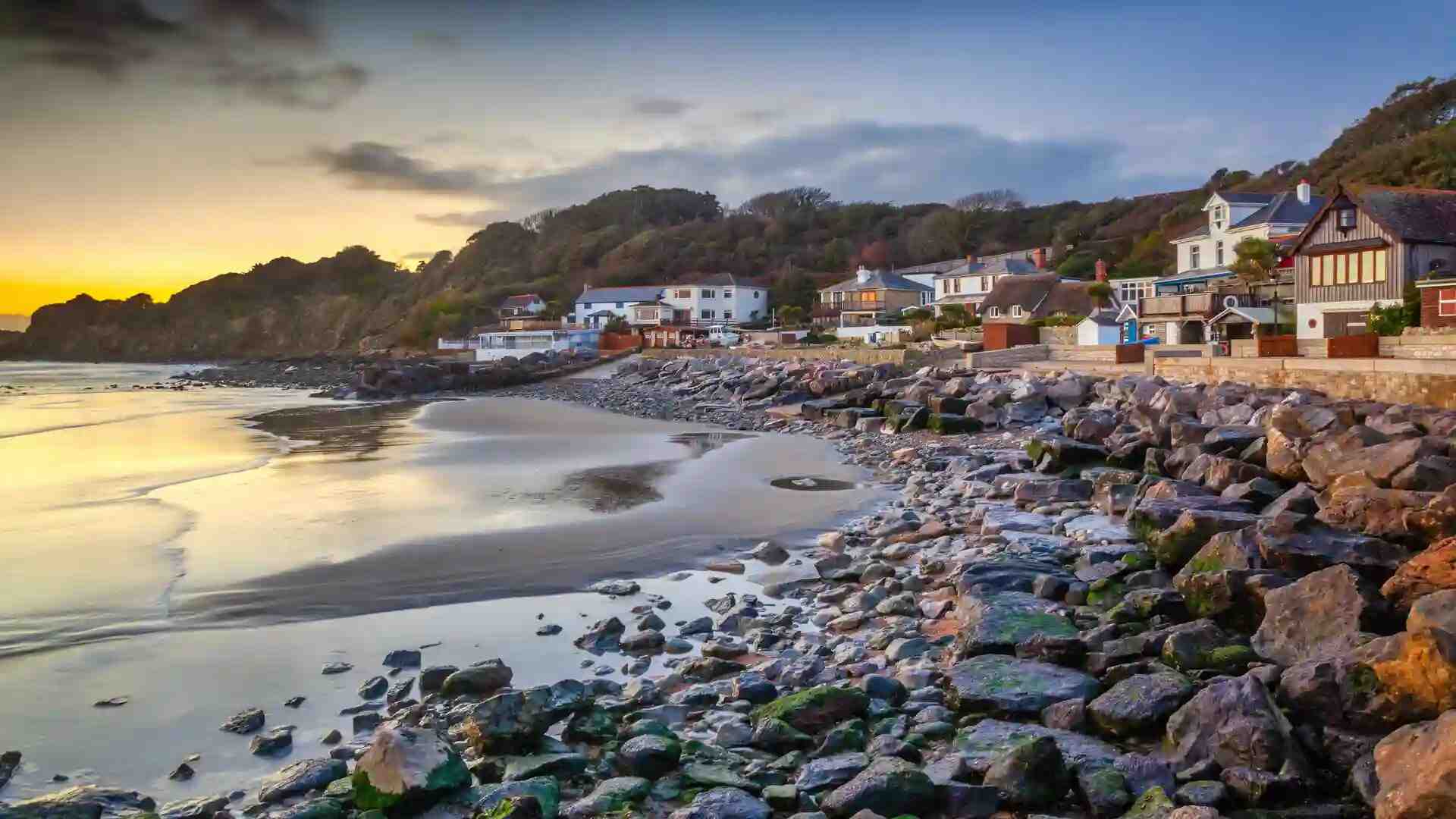
Rocky shoreline and sandy beach at sunset in a seaside village on the Isle of Wight, South East England.

Isle of Wight – Coastal Cliffs, Downs, and Open Headland

Chalk ridges, eroding cliffs, and a continuous shoreline off the south coast of England

The Isle of Wight is an island county of chalk downs, coastal cliffs, river valleys, and farmland in the English Channel off the south coast of England. Walking routes cross the Isle of Wight National Landscape and follow the Isle of Wight Coastal Path, Tennyson Trail, and Yar River Trail, linking places such as Ryde, Cowes, Newport, Yarmouth, and Ventnor along headlands, beaches, and inland tracks.

Much of the terrain is firm and gently rolling underfoot. Cliff-top paths, bridleways, woodland trails, and quiet lanes allow steady progress, with moderate climbs and descents along the downs and steeper sections near exposed headlands.

The landscape shifts between areas. The central spine of chalk downs forms open ridges with wide views, the western side includes heath and farmland around the Yar Valley, and the southern and eastern coasts become steeper with cliffs, coves, and narrow bays.

Towns and villages are spaced around the coastline and along river valleys, creating regular access points for shorter walks and longer point-to-point routes around the island.

Trails and Routes Through the Isle of Wight

Isle of Wight Coastal Path

A long-distance circular route around the island following cliffs, beaches, estuaries, and shoreline tracks.

Tennyson Trail

A ridge route across the western downs between Carisbrooke and The Needles using chalk grassland and hill paths.

Yar River Trail

A riverside path following the Western Yar between Freshwater and Yarmouth on level tracks and marshland edges.

Red Squirrel Trail (walking sections)

Traffic-free paths and bridleways using former railway corridors and woodland tracks between Cowes, Newport, and Sandown.

Bembridge Trail

A level coastal and estuary path linking Bembridge, Brading Marshes, and Sandown along shoreline and wetland tracks.

Walking Character

• Chalk downs and open ridge paths
• Cliff-top trails and headlands
• Woodland and farmland tracks
• Estuaries and marshland
• Beaches and sheltered bays
• Coastal towns and villages
• Coastal and rolling mixed

Frequently Asked Questions

Where is the Isle of Wight located?
The Isle of Wight lies off the south coast of England in the English Channel, separated from Hampshire by the Solent.
What defines walking here?
Cliff-top coastal paths, chalk downland ridges, farmland tracks, and estuary sections with regular ascent and descent.
Are there long-distance routes here?
Yes. The Isle of Wight Coastal Path forms a full circuit of the island, with additional ridge and riverside routes.
Is the terrain steep?
There are regular climbs and descents on the downs and along the cliffs, while valley and estuary paths are generally level.
When is the best time to visit?
Spring through autumn offers drier ground and longer daylight, while winter conditions can be windy and exposed on coastal sections.