

Scotland’s UNESCO Trail: A Journey Through Culture, Landscape, and Sustainability
How the world’s first national UNESCO trail is redefining walking holidays and adventure tourism in Scotland
Scotland has always inspired travellers — from its rugged Highlands and ancient glens to its creative cities and storied coasts. But now, the country is offering something entirely new: a journey that unites all these worlds into one — the Scotland UNESCO Trail, the first national trail of its kind anywhere in the world.
This isn’t just a route — it’s a movement. Stretching across 13 UNESCO designations, it connects biospheres, geoparks, and World Heritage Sites through a shared story of place, people, and purpose. From the volcanic landscapes of the Isle of Arran to the cultural heart of Edinburgh, the trail celebrates how nature, heritage, and community intertwine — and invites travellers to explore Scotland more meaningfully.
A Trail Like No Other
Developed by VisitScotland in partnership with UNESCO, NatureScot, and local communities, the UNESCO Trail brings together destinations that are rich in both natural and cultural value.
It links sites such as:
- Edinburgh’s Old and New Towns, a living showcase of architecture and creativity.
- The Galloway and Southern Ayrshire Biosphere, where communities and wildlife coexist in harmony.
- The North West Highlands Geopark, a landscape shaped by 3 billion years of Earth’s history.
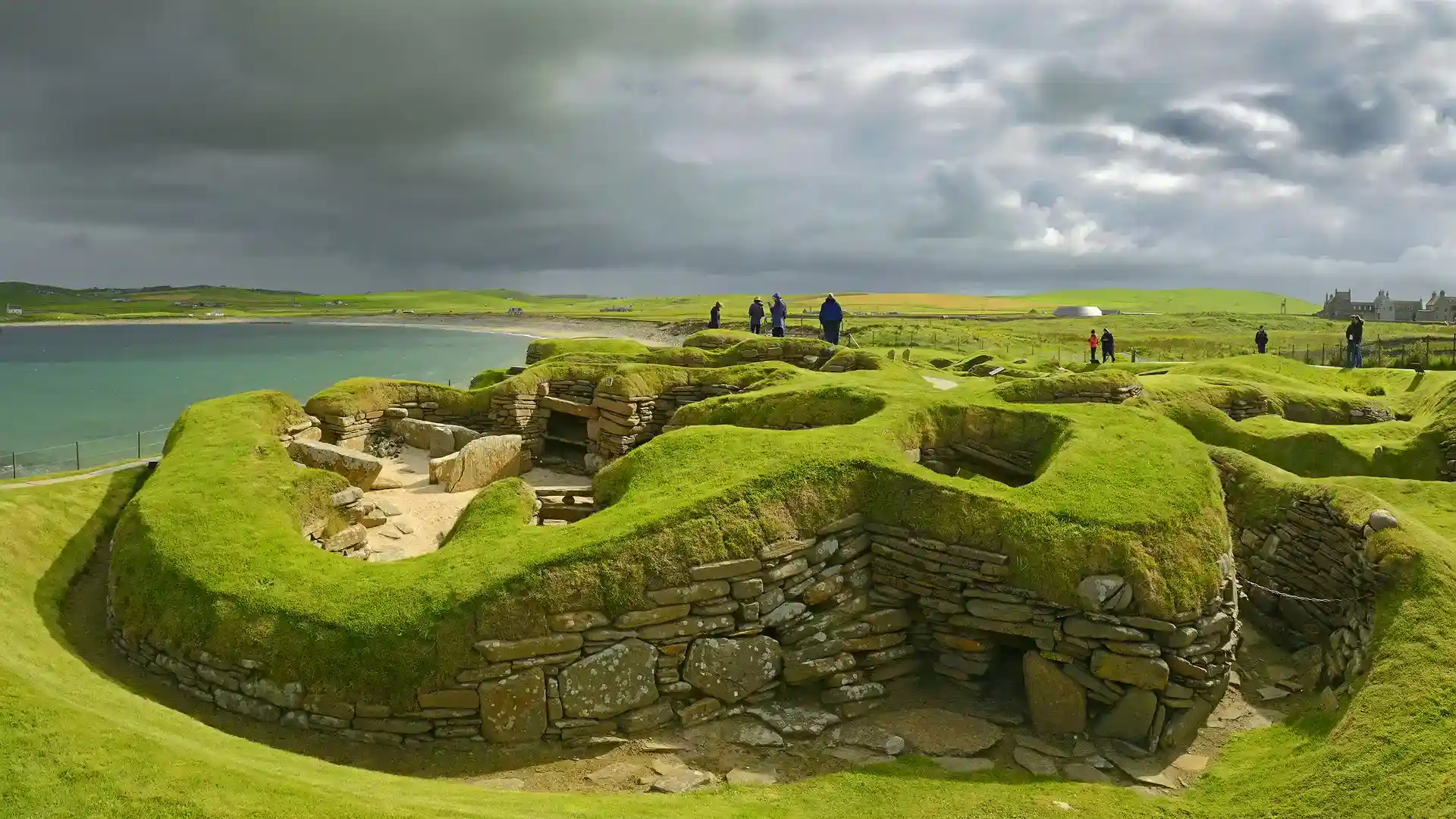
- The Heart of Neolithic Orkney, one of the world’s most extraordinary prehistoric landscapes.
Unlike a traditional walking route, the UNESCO Trail is more of a journey framework — encouraging visitors to move slowly, travel responsibly, and connect the dots between regions by foot, bike, or public transport.
As Francesca Osowska, CEO of NatureScot, notes, “It’s helping people see Scotland differently — as a living landscape shaped by culture, community, and care.”
A New Way to Travel
The Scotland UNESCO Trail perfectly aligns with the rise of self-guided journeys and slow adventure tourism. Travellers today aren’t just looking for scenery — they’re looking for stories, authenticity, and connection.
By linking wild landscapes with cultural heritage, the trail offers endless possibilities:
- Hike between castles and coasts in Dumfries & Galloway.
- Follow ancient geological routes through the Highlands and Islands.
- Discover whisky, weaving, and storytelling traditions in Speyside and beyond.
Every part of the trail reinforces Scotland’s ethos of low-impact, high-value travel — encouraging visitors to stay longer, spend locally, and travel sustainably.
Nature, Culture, and Connection
The UNESCO Trail is also a powerful symbol of balance — between tourism and conservation, people and place.
In the Galloway Biosphere, communities are pioneering green tourism. In the Cairngorms, rewilding and restoration projects are bringing nature back to life. And in Edinburgh, centuries of architecture sit alongside new ideas in creativity and culture.
Together, these places form a mosaic — one that shows how a small nation can lead the way in sustainable tourism by putting community and environment first.
Why It Matters
The Scotland UNESCO Trail is more than a world first — it’s a blueprint for how countries can weave together heritage, sustainability, and travel. It invites walkers, cyclists, and explorers to move through Scotland’s landscapes at a human pace — to see rather than consume, to connect rather than collect. For visitors, it’s an opportunity to experience Scotland not as a series of sights, but as a living, breathing story — one written in rock, sea, and song.