
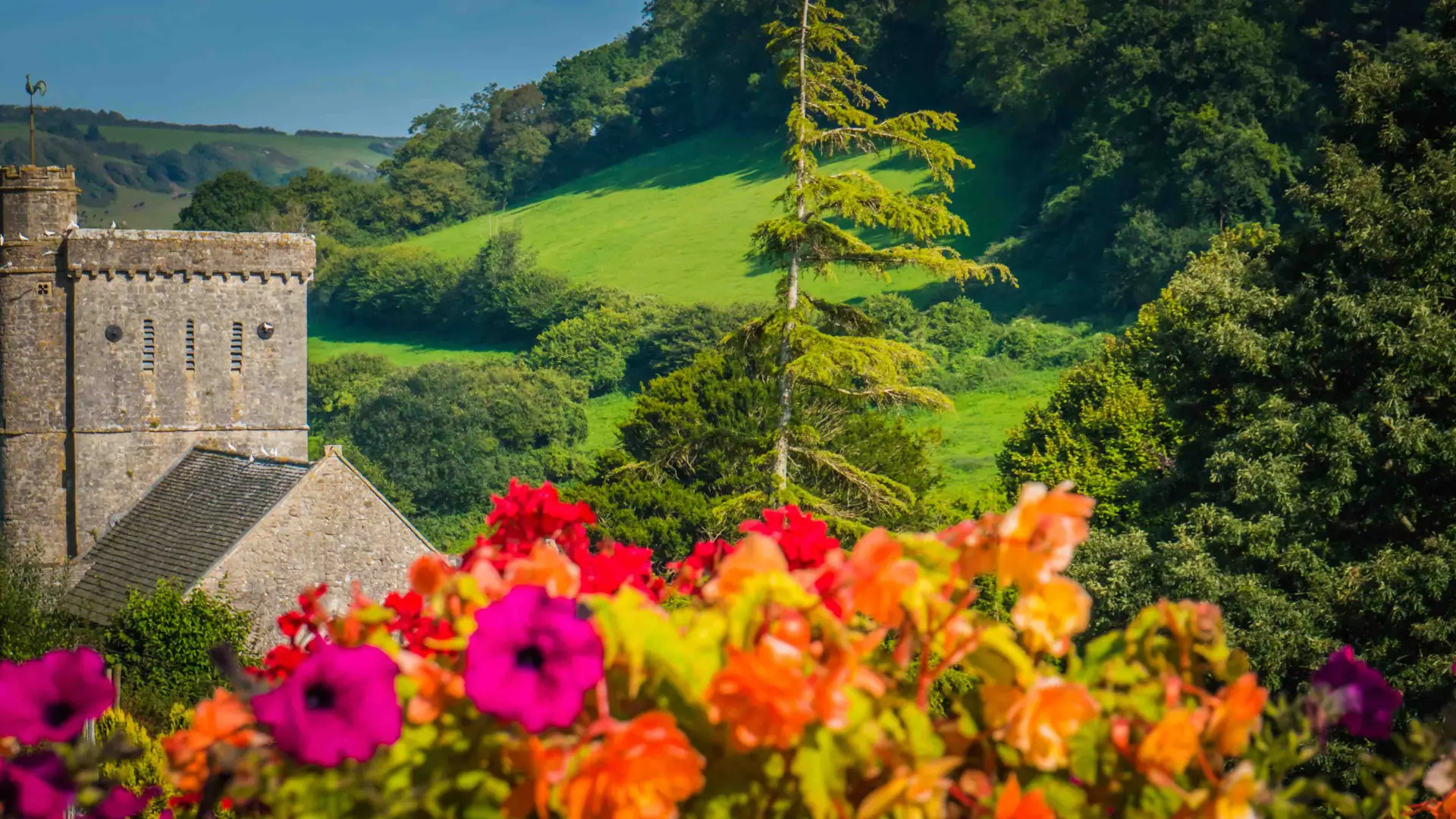
South West England – Clifftop Coast, Open Moorland, and Limestone Hills
Coastlines, high moor, and long-established paths shaped by sea, stone, and settlement
Clifftop paths, open moorland, and long Atlantic horizons shape South West England, where trails follow headlands, cross high tors, and link valleys, harbours, and market towns from coast to countryside. The geography changes quickly from one landscape to the next. Along the western edge, cliffs rise above beaches, coves, and tidal inlets, with paths tracing each headland and harbour. Inland, Dartmoor and Exmoor lift into broad plateaux of heather, granite, and open sky, while further east the land softens into pasture, wooded valleys, and limestone hills. Routes move naturally between these environments, allowing journeys that shift from exposed coastline to sheltered farmland within a single day.
Much of the region is protected. Dartmoor National Park and Exmoor National Park safeguard large areas of moorland, river valleys, and ancient woodland. The Cornwall, Devon, and Dorset coasts are covered by National Landscapes that preserve cliffs, dunes, and estuaries shaped by tide and weather. To the north and east, the Cotswolds National Landscape protects limestone ridges, meadows, and stone-built villages. These areas maintain both wildlife habitats and long-established rural life, with footpaths passing easily between field, fell, and settlement.
Movement through the South West often follows historic lines. Coastguard tracks, miners’ paths, drove roads, and ridgeways still guide modern trails across the land. The South West Coast Path forms a continuous shoreline route from Somerset through Devon and Cornwall into Dorset, while inland the Two Moors Way links Dartmoor and Exmoor. Further east, the Cotswold Way follows the limestone escarpment between Chipping Campden and Bath. Together these routes reveal how closely the region’s paths are tied to geology, history, and working landscapes.
Walking here is shaped by rhythm and contrast. Clifftop sections feel open and exposed, with long views across sea and sky, while wooded combes and valley paths offer quieter stretches between villages and farms. Progress is measured in headlands, tors, and valleys rather than single landmarks, creating journeys that feel continuous and grounded in place.
This is a region best understood step by step: along tidal edges, across open moor, and between long-settled communities where coast and countryside remain closely connected.
Routes & Landscapes Across the Region
The South West Coast Path traces the entire shoreline, linking beaches, coves, fishing villages, and headlands along one of England’s longest continuous coastal routes.
Dartmoor National Park and Exmoor National Park provide open upland walking across tors, ridges, and river valleys, with expansive views and quieter interior landscapes.
Further east, the Cotswolds National Landscape and the Cotswold Way connect limestone hills, meadows, and village-to-village paths through gently rolling countryside.
Counties of South West England
Cornwall, Devon, Somerset, Dorset, and Gloucestershire each offer distinct variations of this coastal and upland character — from exposed Atlantic cliffs and sheltered estuaries to inland moorland and rolling limestone hills — providing natural bases for longer regional journeys.
Beginning to explore South West England
South West England’s trails, protected landscapes, and historic routes form a connected network rather than a single destination. Following its coastline, moors, and valleys reveals how land, weather, and settlement continue to shape movement through one of England’s most varied walking regions.
Frequently Asked Questions
What defines walking in South West England?
Clifftop paths, open moorland, river valleys, and village-to-village routes across coast and upland terrain.
Are there long-distance trails in the region?
Yes. Key routes include the South West Coast Path, the Two Moors Way, and the Cotswold Way.
Is the terrain challenging?
Some sections involve sustained climbs and uneven ground, particularly along the coast and moors, though many inland routes are gentler.
Are there protected landscapes?
Yes. The region includes Dartmoor and Exmoor National Parks, several coastal National Landscapes, and the Cotswolds National Landscape.
Can routes be linked together?
Yes. Many trails pass through towns and villages, making it easy to combine coastal, moorland, and countryside routes into longer journeys.